

The Local newsletter is your free, daily guide to life in Colorado. For locals, by locals.
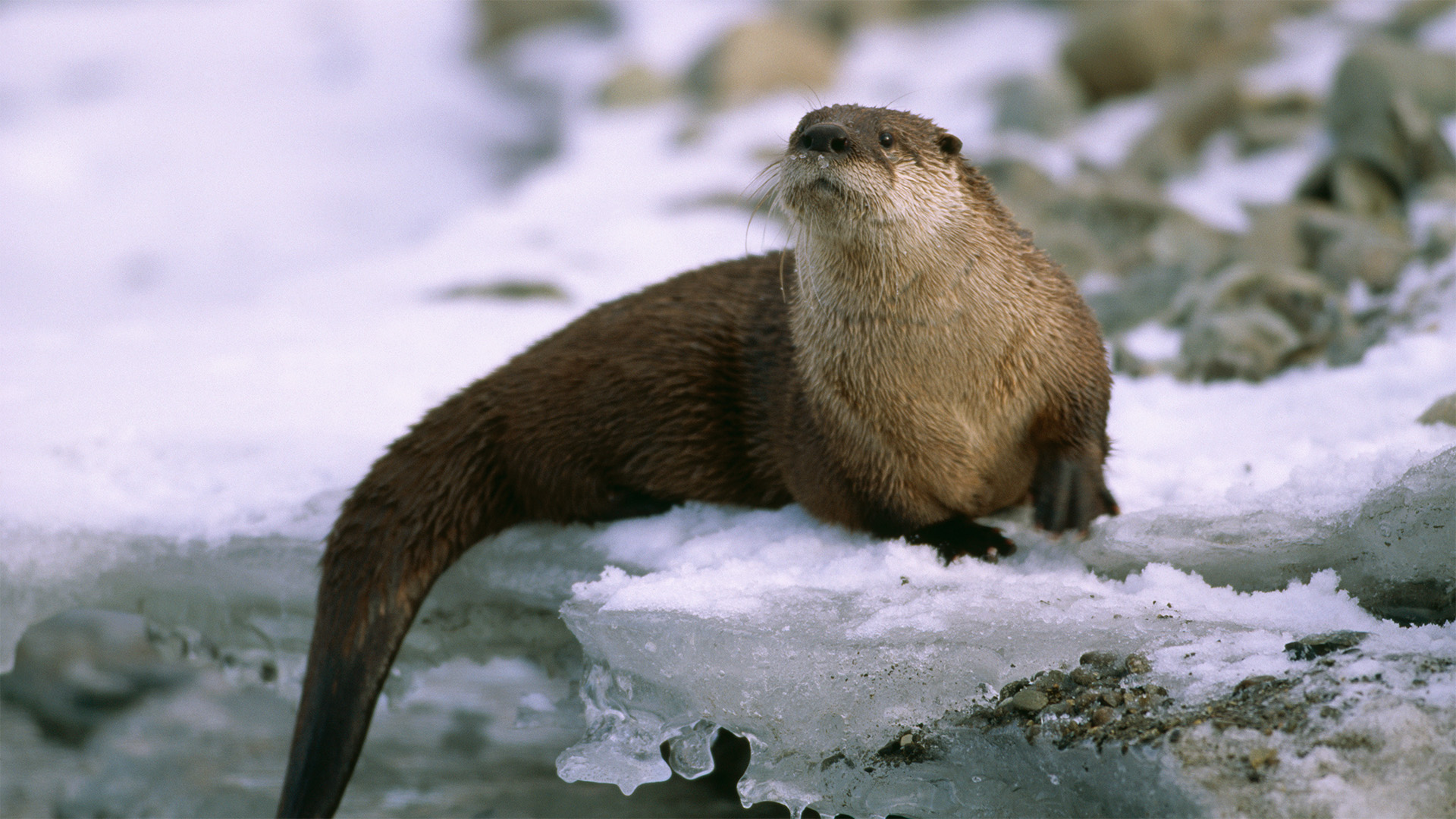
Let it be known: 2026 is the Year of the Otter, or rather, according to Colorado Parks & Wildlife, Otter YEAR. In 1976, the agency launched an effort to restore the jolly aquatic weasel, which had gone extinct from Colorado due to overhunting. The agency is marking the program’s golden anniversary with a statewide census to see how the water-loving mammals are faring. (Hence the acronym: Yearlong Engagement and Assessment of River Otters.)
But the otter isn’t CPW’s only success story. European colonization led to the extirpation of dozens of wild animals in Colorado; these are just six of the natives the agency has restored to their natural habitat.

1. River Otter
From 1976 to 1991, CPW released more than 100 of these aquatic predators—whose pelts were even more valuable than beaver around the turn of the 20th century—at five sites. To celebrate the 50-year anniversary, the agency is asking Coloradans to report otter sightings through the iNaturalist app.
2. Canadian Lynx
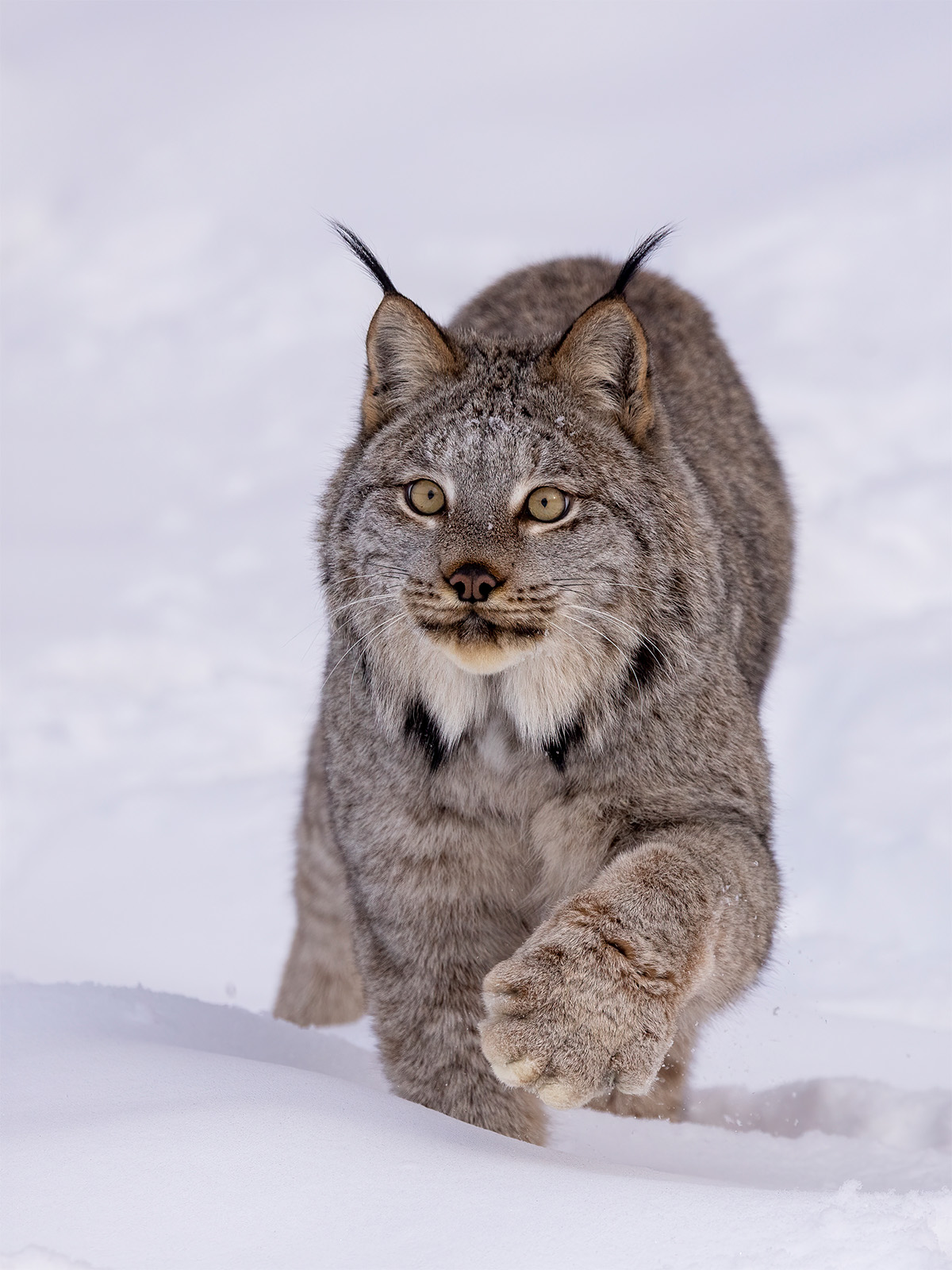
Hunting, trapping, loss of habitat: All of these factors essentially exterminated Colorado’s Canadian lynx by the 1970s. Two decades later, CPW reintroduced 96 of the state- and federally endangered big cats around Creede and Durango, and the population has remained steady since.
3. Rocky Mountain Bighorn Sheep
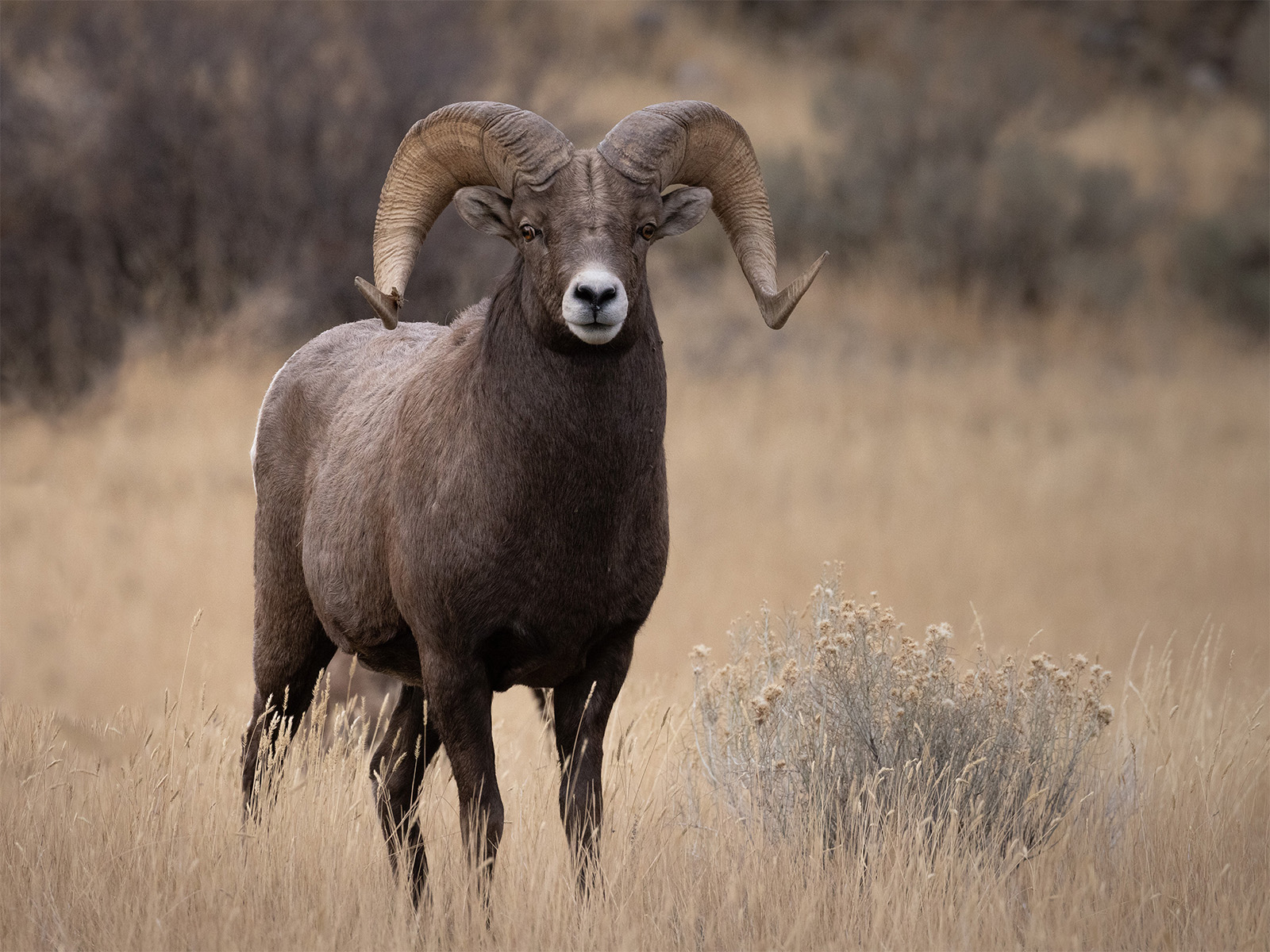
The domesticated sheep white settlers brought to Colorado devastated the native bighorn, who had no defense against the livestock’s diseases; in 1950, the population hit a record low of 2,200. Thanks to modern herd management and conservation practices, Colorado now has more bighorns (7,000) than any other state.
4. Boreal Toad
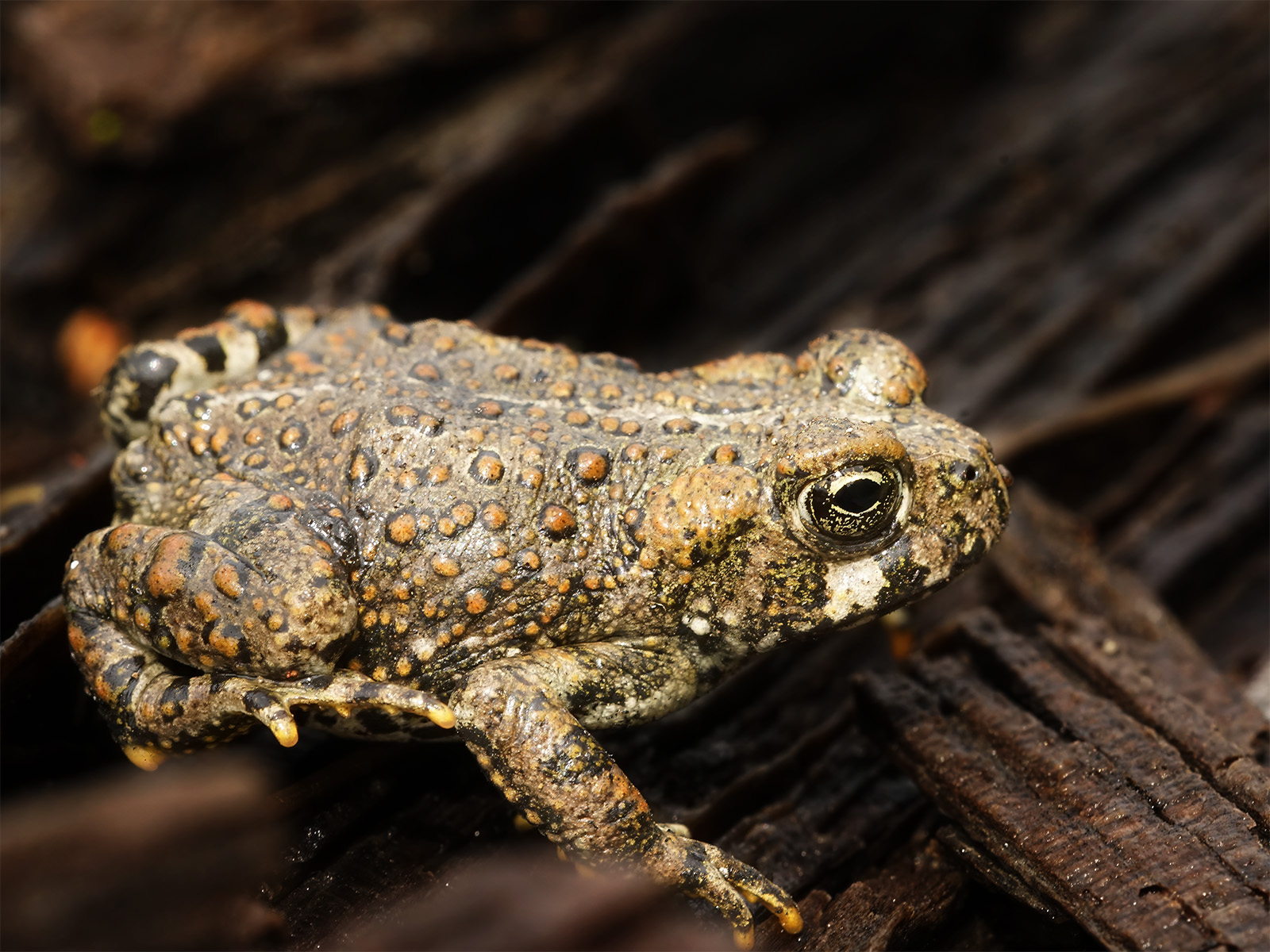
Colorado’s only alpine toad owes its state-endangered status to a deadly fungus that’s run rampant through the population over the past two decades (though habitat loss doesn’t help). CPW’s Native Aquatic Species Restoration Facility has pumped out 133,546 tadpoles, toadlets, and adult toads to replenish the population.
Read More: Inside the Denver Zoo’s Effort to Save Colorado’s Rare Boreal Toad
5. Black-Footed Ferret
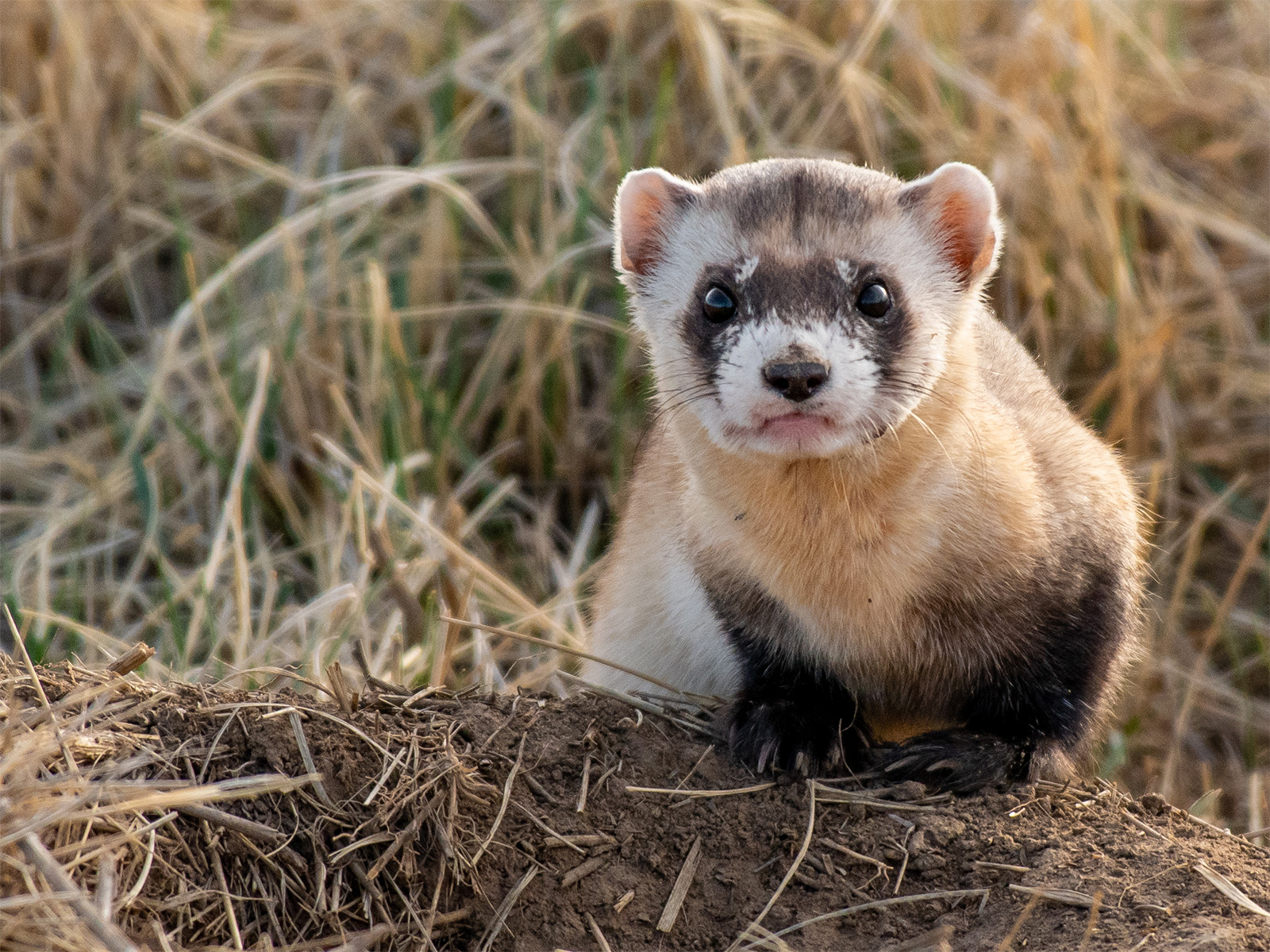
These weasel-looking creatures were an unintended casualty of farmers’ and ranchers’ attempts to clear the land of prairie dogs, black-footed ferrets’ preferred dinner. They were thought to be extinct until 1981, when a sheepdog in Wyoming found a colony. CPW has since released 500 ferrets, accumulated through breeding and cloning efforts, into the wild.
6. Lesser Prairie-Chicken
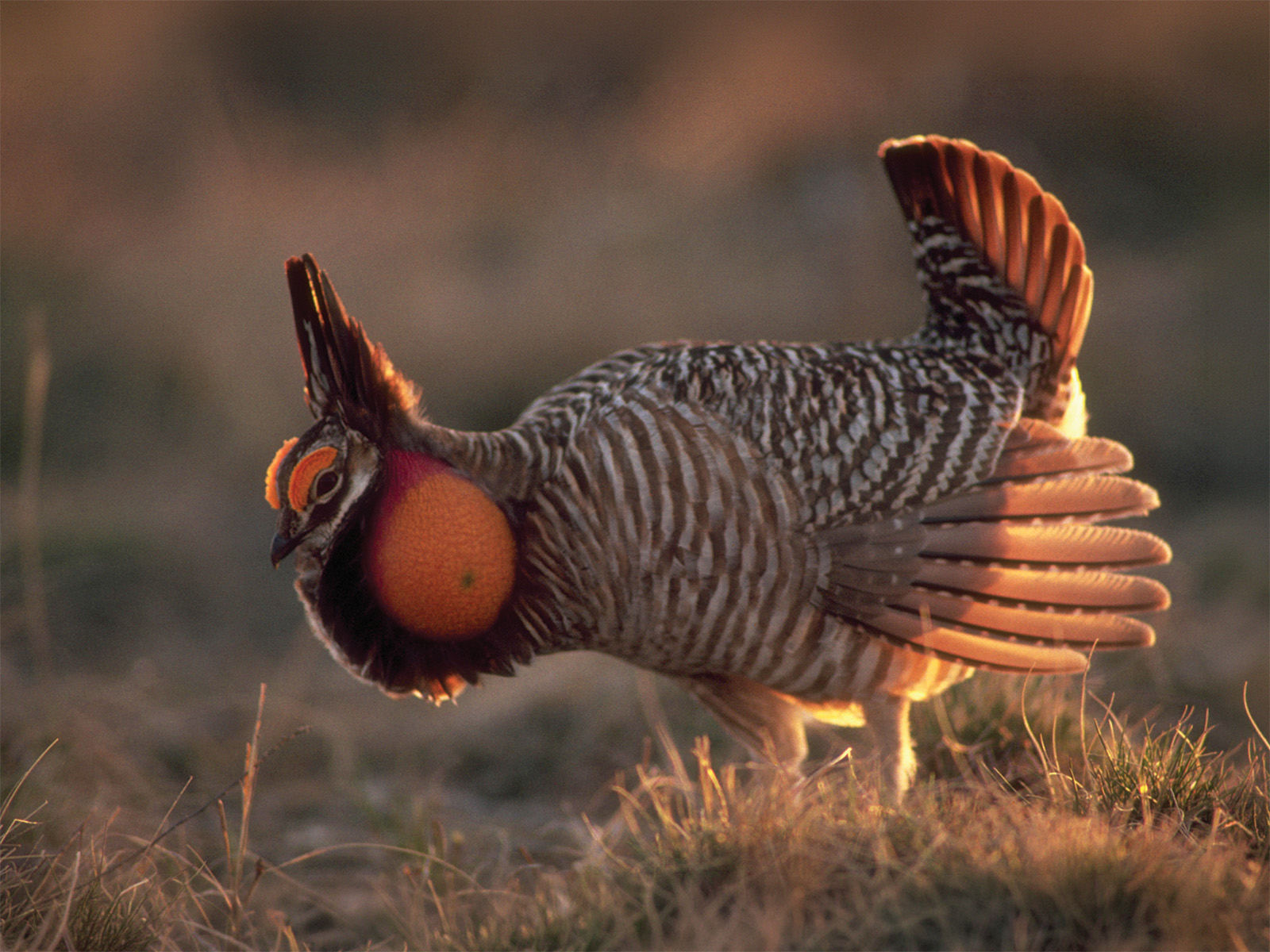
This charismatic grouse saw its Colorado headcount dip to as low as 50 in the 2010s, after development and drought battered southeast Colorado grasslands. In 2016, the agency worked with its colleagues in Kansas to capture and release 411 of the federally endangered species in Comanche and Cimarron national grasslands.