

The Local newsletter is your free, daily guide to life in Colorado. For locals, by locals.
One of the perks of living in Denver is the ease with which you can leave it all behind by hopping in the car, driving for an hour (or less), and escaping into nature. The catch? “Leaving it all behind” usually requires hauling a small mountain of gear with you. Skis, sleeping bags, hiking poles, crampons, climbing rope—the stuff that makes exploring the outdoors possible also has a habit of cluttering your mudroom, garage, or closets.
As owner of the Denver Downtown branch of Neat Method, a professional home organization company with more than 100 franchise locations across the U.S., Linda Horn helps Front Range residents declutter their homes and develops easy-to-follow tidying systems tailored to each client. “You can have two of the exact same townhouses, but two different families are living there,” she says. “So you have to individualize and customize to meet their needs.”

Horn’s decadelong career in professional organization—she was a lead organizer at Neat Method for six years before opening her own franchise location in 2023—was inspired by personal experiences. “I raised two boys in an 1882 home under 1,200 square feet, so I had to figure out organization systems of my own to keep things fairly orderly,” she says.
As we transition from summer into leaf-peeping and ski seasons, we asked Horn for her expert tips for storing the bulky gear that facilitates your mountain adventures and, in turn, restoring your sanity.
1. Take seasonal inventory.
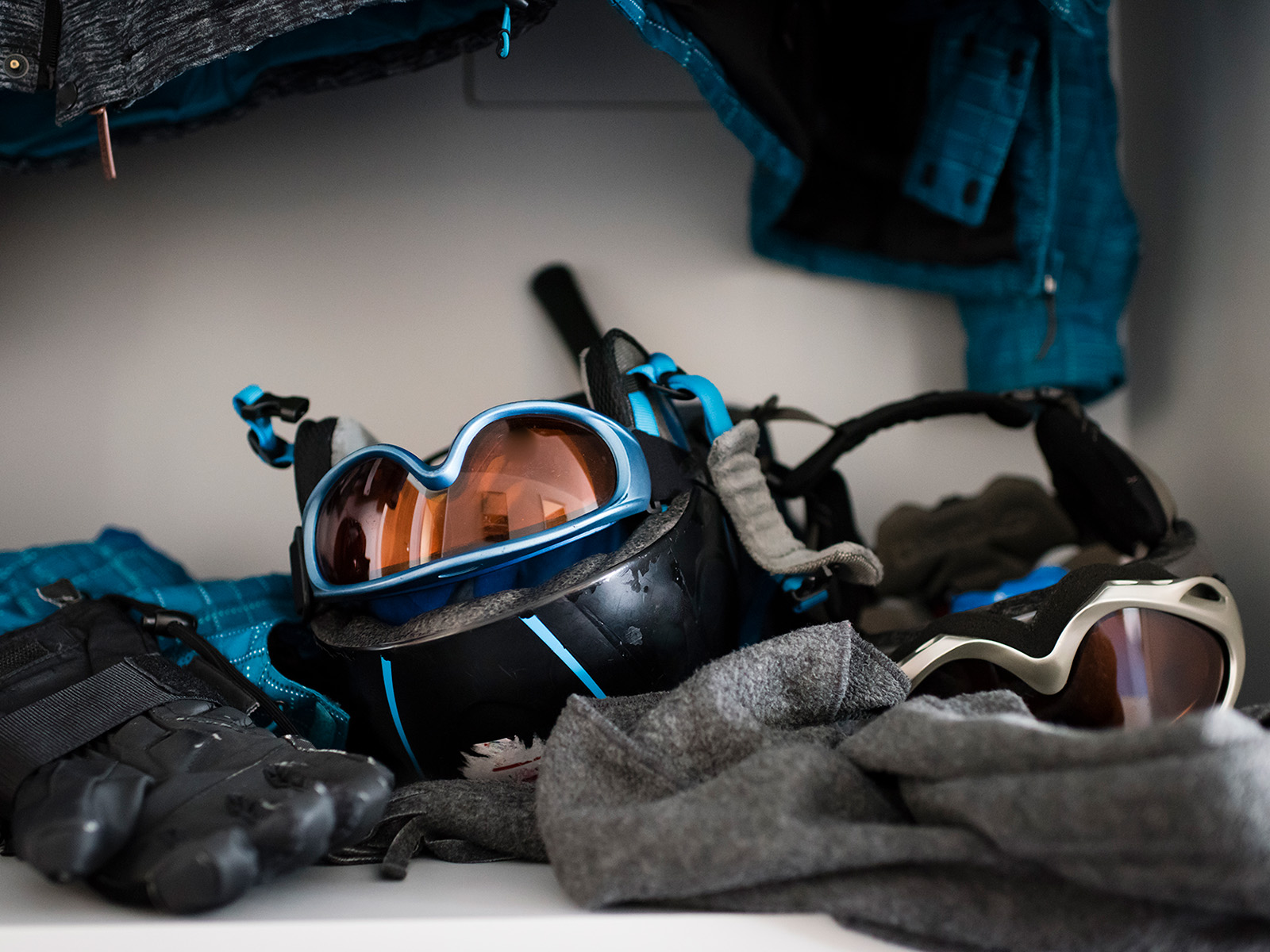
The first step to organizing the gear that you need is to edit out the items that you don’t. Horn recommends beginning the decluttering process at the end of each adventure season. So before you stow away your rock-climbing equipment for the winter, toss out any worn-out ropes and clean off dusty climbing shoes. “Lay every piece in front of you and pick out anything that’s broken, unused, or outgrown,” Horn says. “If you’re not using it, it’s just taking up space both mentally and physically.” Donate or discard any unwanted items and then create a storage plan for what’s left.
2. Label and rotate items for easy access.
Don’t let the reason your ski carpool is running late be that you can’t locate your lucky balaclava. “Time is precious, especially with the days getting shorter this time of year,” Horn says. “You just want to be able to grab and go.” To get out the door faster (and have a fighting chance against I-70 traffic), divide your storage area into labeled activity zones, placing all ski gear together, backpacking gear together, and so on. Then, rotate your gear seasonally so whatever you’re currently using is at eye level and easiest to reach. “Think about that frequency: What are you doing every weekend versus only once a season?” Horn says. “The items you use the most should be easiest to access, and the rest can live on the upper or lower shelves.”
3. Utilize vertical space.
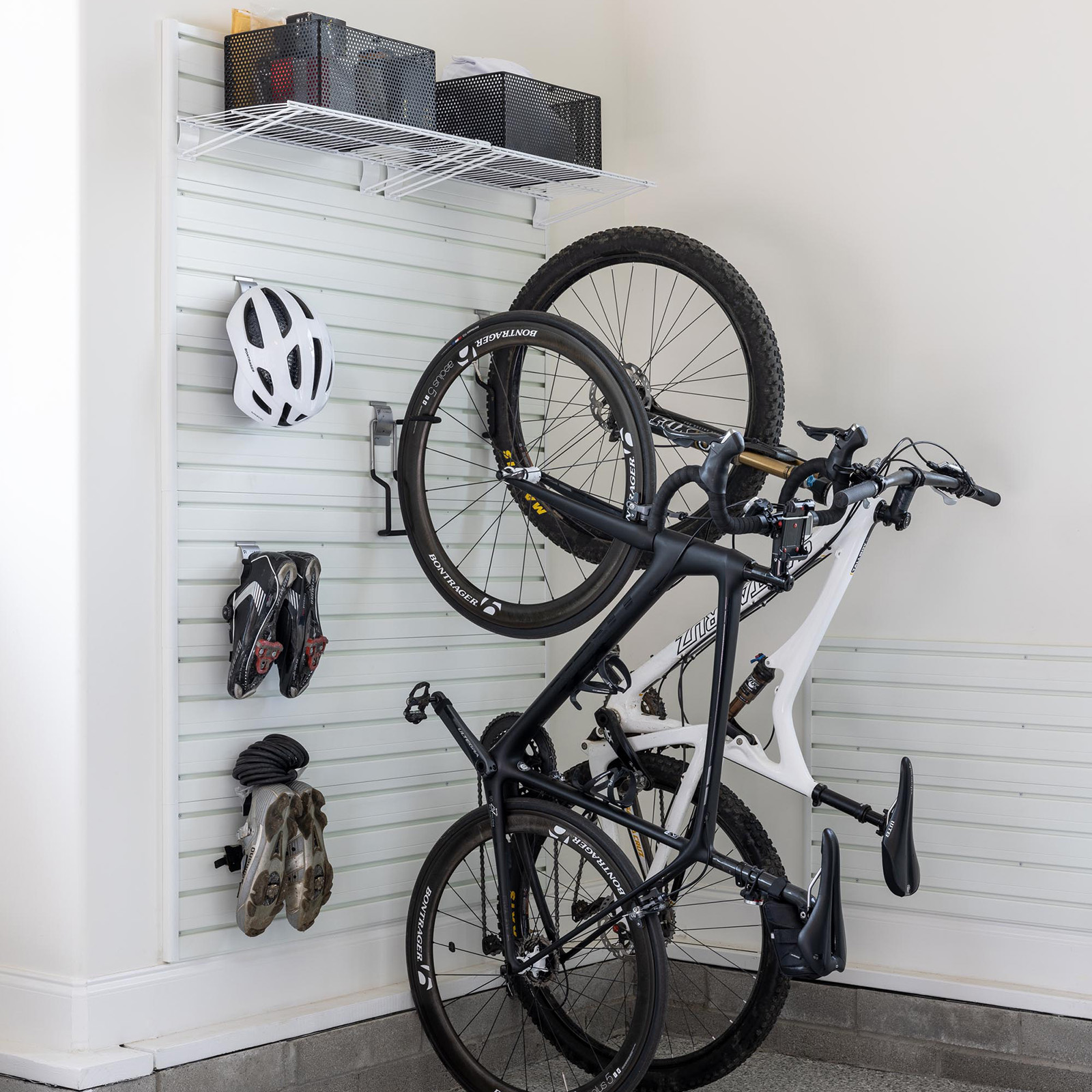
When you don’t have a full room to dedicate to gear storage, look up. Occupying wall space prevents items from piling up on the floor and allows the eye to easily scan your inventory. “Vertical storage is your best friend,” Horn says. Invest in wall-mounted racks for big, bulky items like snowboards and bikes, and dedicate a shelving unit or bookshelf to storing bins containing smaller gear. If you only have a cramped closet, floating shelves can do the trick.
4. Create homes within homes.
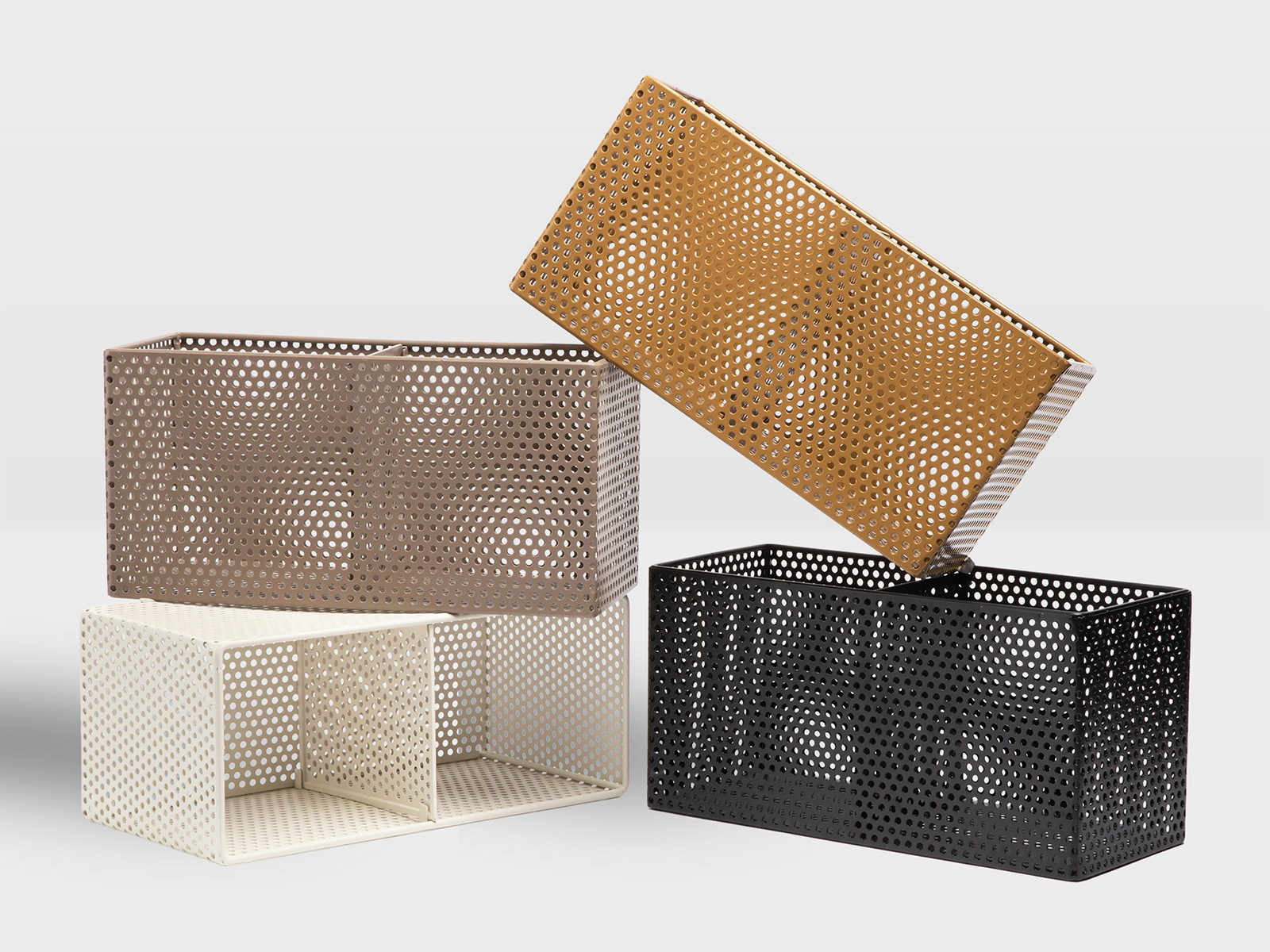
For gear categories with a lot of small pieces (i.e. the firestarters, headlamps, and cooking equipment required for camping), Horn suggests a Russian nesting doll approach. “Systems fall apart when you have a bunch of little things that you have to dig through,” she says. In a garage, start with a clear bin with an airtight lid (to keep out dust and pests) that’s dedicated to a single activity. Place smaller, open baskets or bins inside to group together like items. “The goal is to create a home within a home to keep things contained,” Horn says. Or, skip the airtight container and line a shelf with labeled baskets (Horn recommends Neat Method’s perforated metal baskets for their durability and built-in dividers).
5. Dedicate an area to wet, muddy, or sweaty gear.
“You don’t want to store away wet gear or else it’ll be a big mildewy surprise the next time you want to use it,” Horn says. Place a boot tray by the door or in the garage as a drop zone for footwear, and install wall hooks (or attach hooks or carabiners to metal shelving units) to hang gloves, hats, and rainflies. Giving damp items access to airflow will prevent bacteria from breeding—and suspicious smells from forming.