

The Local newsletter is your free, daily guide to life in Colorado. For locals, by locals.
Colorado is littered with historical monuments, sites, and markers that recount good, bad, and ugly moments in the state’s past. Here, five pit stops that will help you wade through our tumultuous times.
Read More: The History Colorado Would Like You to Forget

Jump Ahead:
- Ute Council Tree, Delta
- Kid Curry’s Last Ride, Parachute
- Battle of Summit Springs, Logan County
- Old Mose, Alamosa
- Pike’s Stockade, Sanford
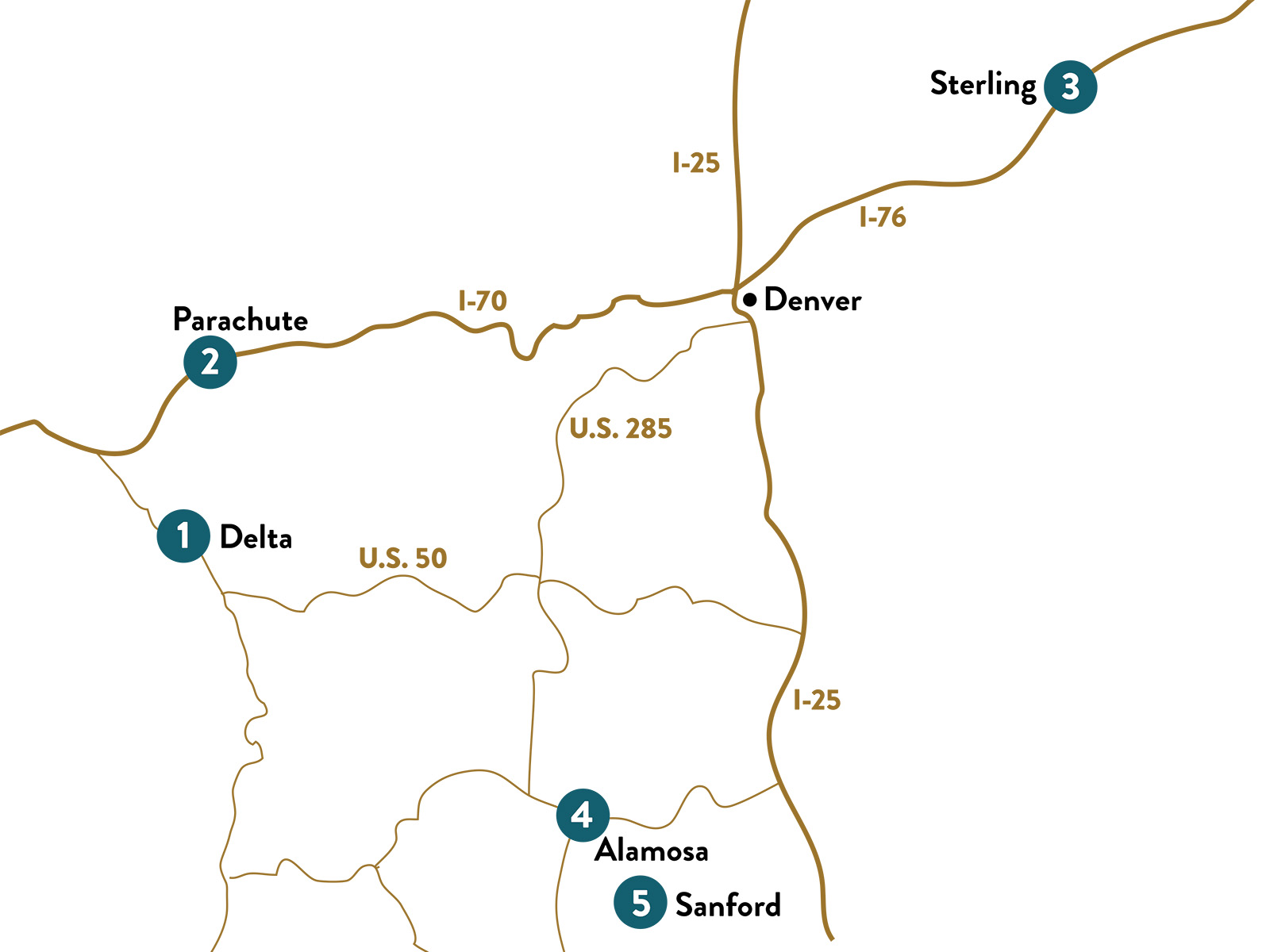
1. Ute Council Tree, Delta
- Address: 694 A 1550 Road, Delta
- Distance from Denver: 275 miles (4 hours, 30 minutes)
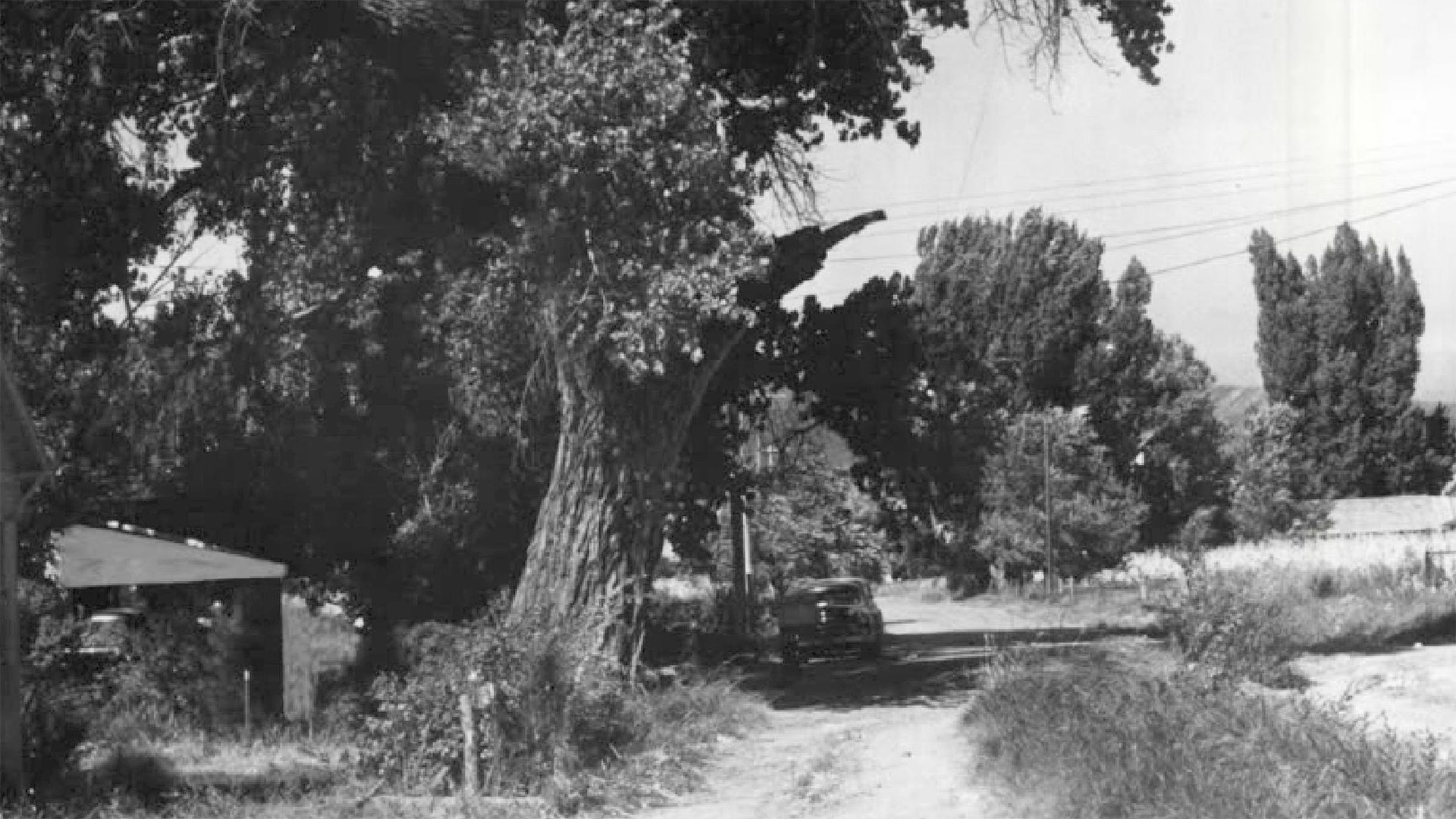
This 200-plus-year-old cottonwood once rose 100 feet into the air, serving as a meeting place for the Ute tribes in the region. But following a physical altercation between an Indian agent working for the federal government and a Ute leader, a Native American revolt erupted that resulted in the deaths of the agent and 10 others. As punishment, the U.S. government forced the White River Utes to relocate to a smaller reservation in Utah in 1881. The Ute Council Tree became a sacred monument connecting the dispersed tribe to its ancestral home—until it was cut down in 2017. The Delta County Historical Society, which owned the land, determined that the by-then-dead cottonwood was a safety risk.
Today, all that remains is a 10-to-12-foot stump.
2. Kid Curry’s Last Ride, Parachute
- Address: Parachute Monday Market, Rest Area Park, 498-400 E. 2nd St., Parachute
- Distance from Denver: 199 miles (3 hours, 20 minutes)
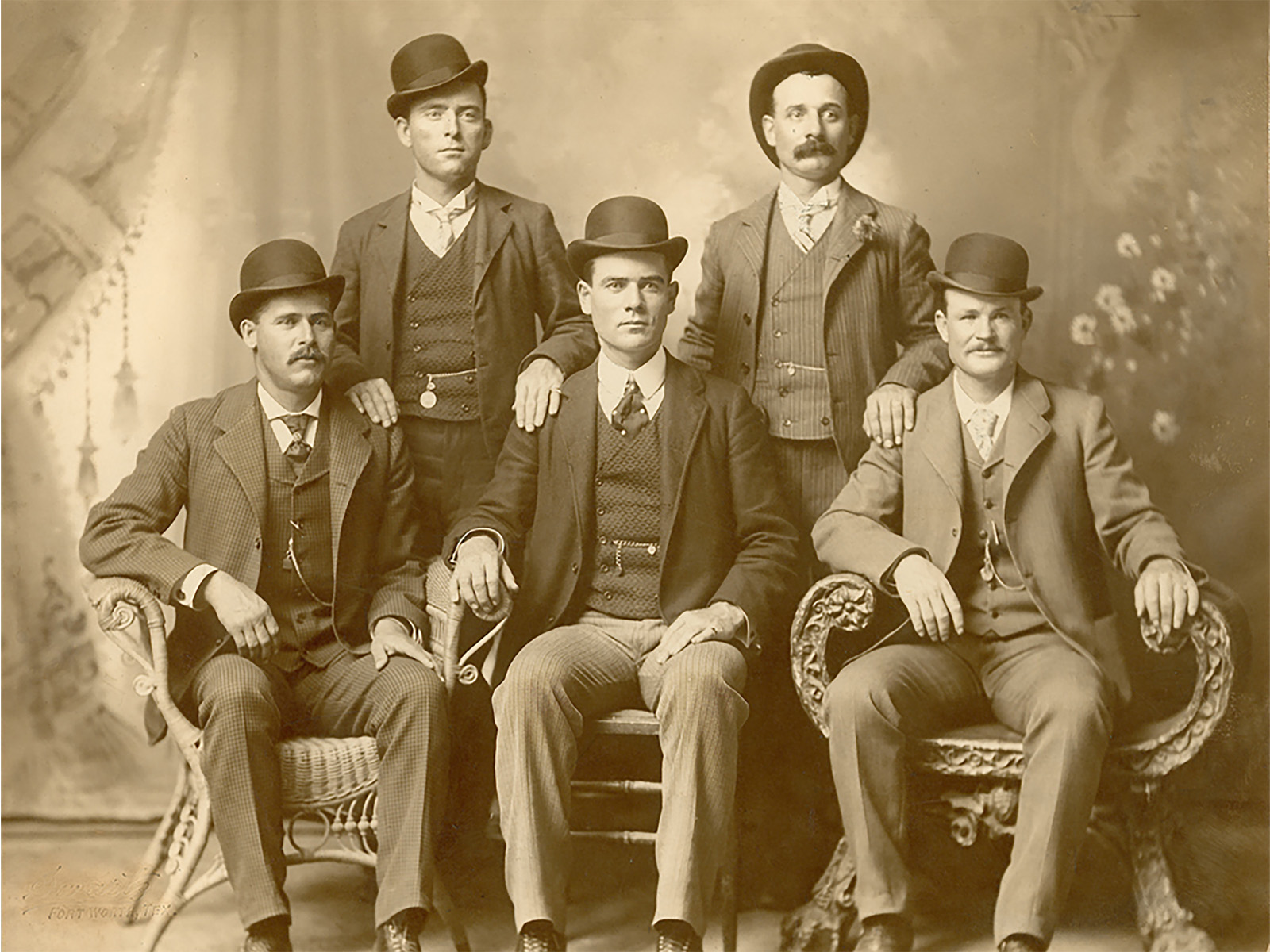
A notorious outlaw, Harvey “Kid Curry” Logan rode with the Wild Bunch, a gang that included Butch Cassidy and the Sundance Kid. On June 7, 1904, Logan staged one of the final train robberies of the Wild West when he and two accomplices boarded the westbound Denver & Rio Grande and blew the safe in search of gold. They escaped across the Colorado River toward Battlement Mesa (where a marker now stands), but a posse pinned them down on East Divide Creek. Wounded, Logan shouted, “I’m all in and might as well end it here!” before taking his own life.
3. Battle of Summit Springs, Logan County
- Address: Atwood STL Parking (40.53510, -103.26636), Atwood
- Distance from Denver: 118 miles (1 hour, 45 minutes)
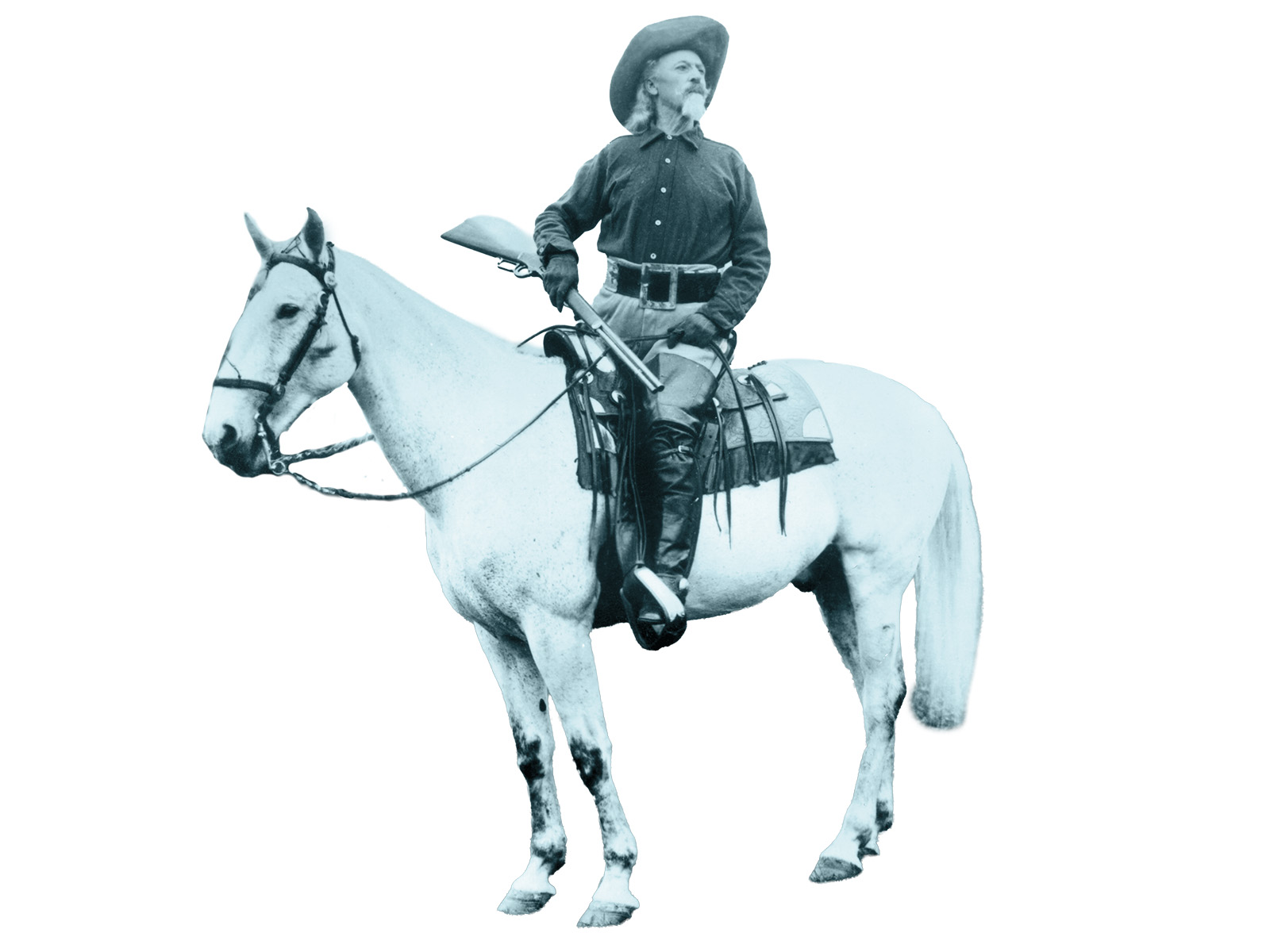
On July 11, 1869, three miles to the southeast of this marker, the U.S. Army defeated a village of Cheyenne Dog Soldiers who had been raiding in northern Kansas, ending five years of clashes that followed the Sand Creek Massacre. Part of the American force that day, William Cody took credit for killing the Cheyenne leader. Though witnesses disputed the claim, the press and dime-store novelists heralded him as a hero and, in the process, helped to create Cody’s alter ego, Buffalo Bill. Fourteen years later, Cody started his Wild West Show, which climaxed with a re-enactment of Summit Springs.
4. Old Mose, Alamosa
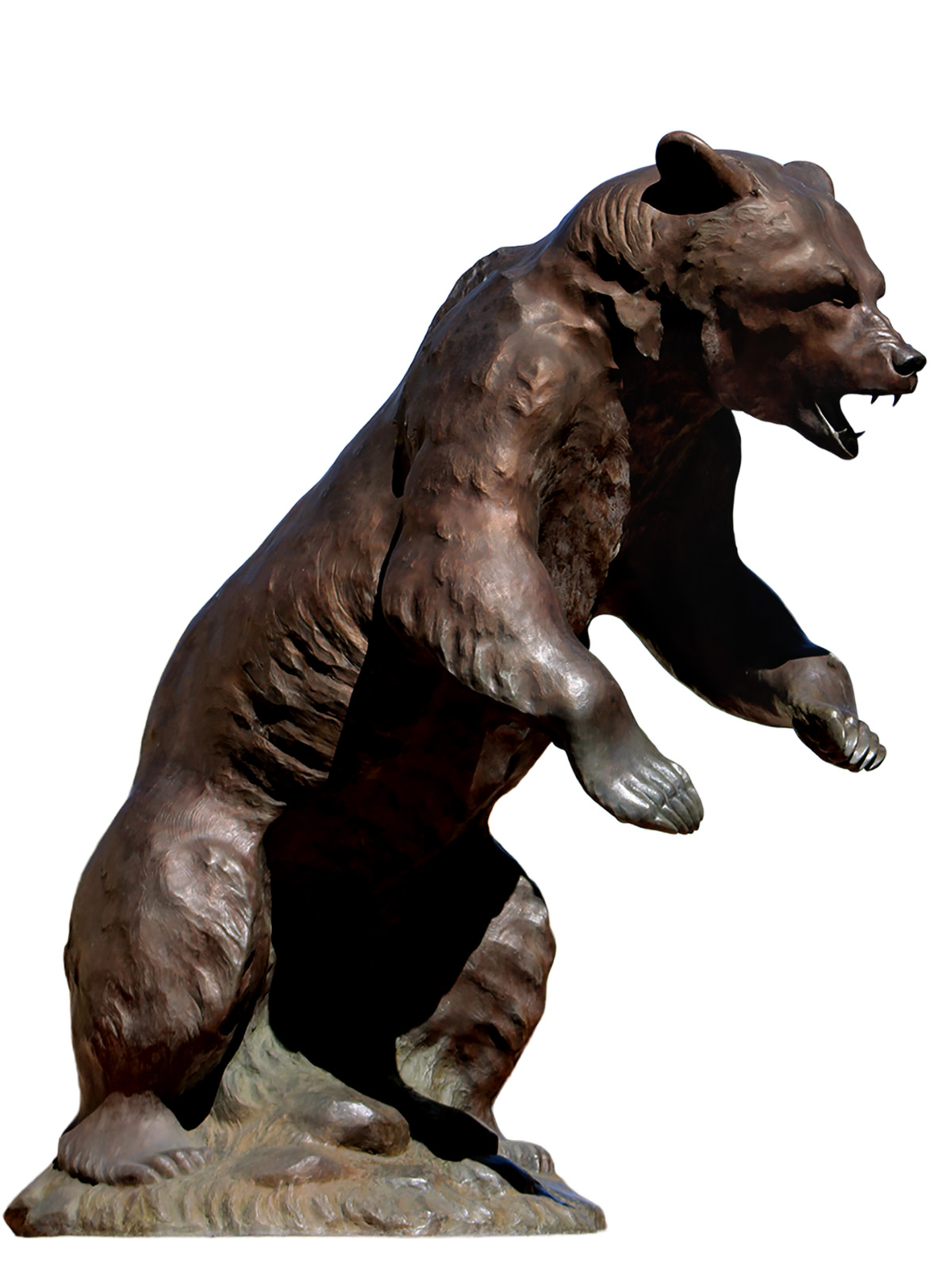
- Address: 1607 First St., Alamosa
- Distance from Denver: 235 miles (3 hours, 45 minutes)
In 1904, the Denver Republican claimed a giant grizzly bear—dubbed “Old Mose” for his unique manner of sauntering around—who’d killed an Alma hunter in 1883 was still alive and had murdered four or five unlucky souls. That inspired famous hunter James W. Anthony to move to Cañon City, where he used dogs to corner and shoot a grizzly. This was not Old Mose; testing later revealed Anthony’s prize was only 10 to 12 years old. Old Mose now guards the campus at Adams State University, where a statue and marker keep the myth alive, touting him as “the largest grizzly in the history of Colorado!”
5. Pike’s Stockade, Sanford
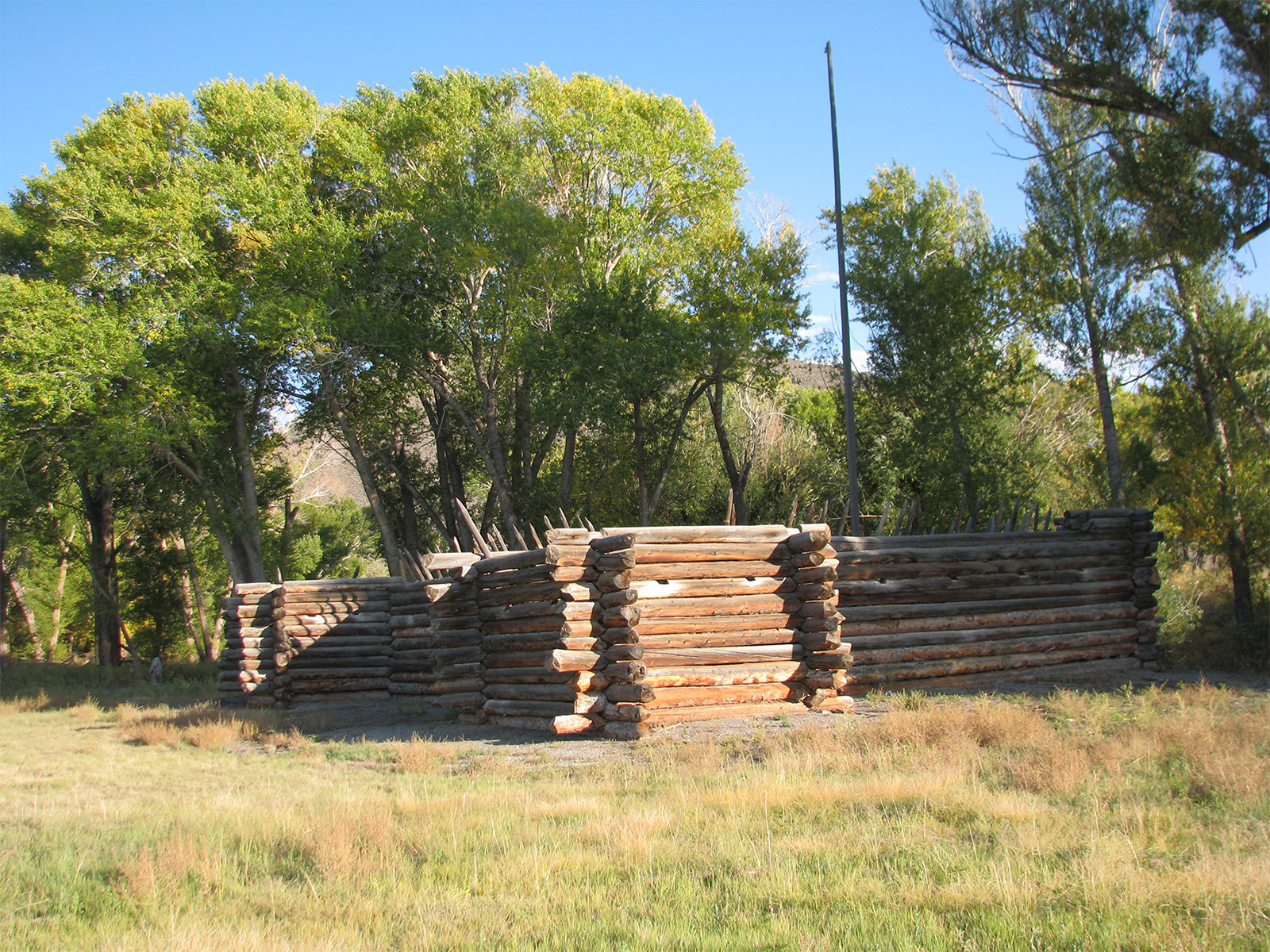
- Address: 22862 Co Road 24, Sanford
- Distance from Denver: 248 miles (4 hours, 5 minutes)
Commissioned to explore the southern territory of the newly acquired Louisiana Purchase, Zebulon Pike’s 1806 expedition led an aborted ascent of what’s now called Pikes Peak, gazed out over the Royal Gorge, and stumbled through the Sangre de Cristo mountains. Finally, after entering the San Luis Valley, Pike and his men built a stockade on the Conejos River. Fashioned with logs, the structure featured sharpened spikes and a moat for protection against Native Americans and the Spanish. They did little good. Spanish soldiers arrested Pike and five others there in 1807.
A replica, now operated by History Colorado, was constructed in 1952 and made a National Historic Site nine years later.
Read More: 11 Weird and Wonderful Colorado Roadside Attractions