
The Local newsletter is your free, daily guide to life in Colorado. For locals, by locals.
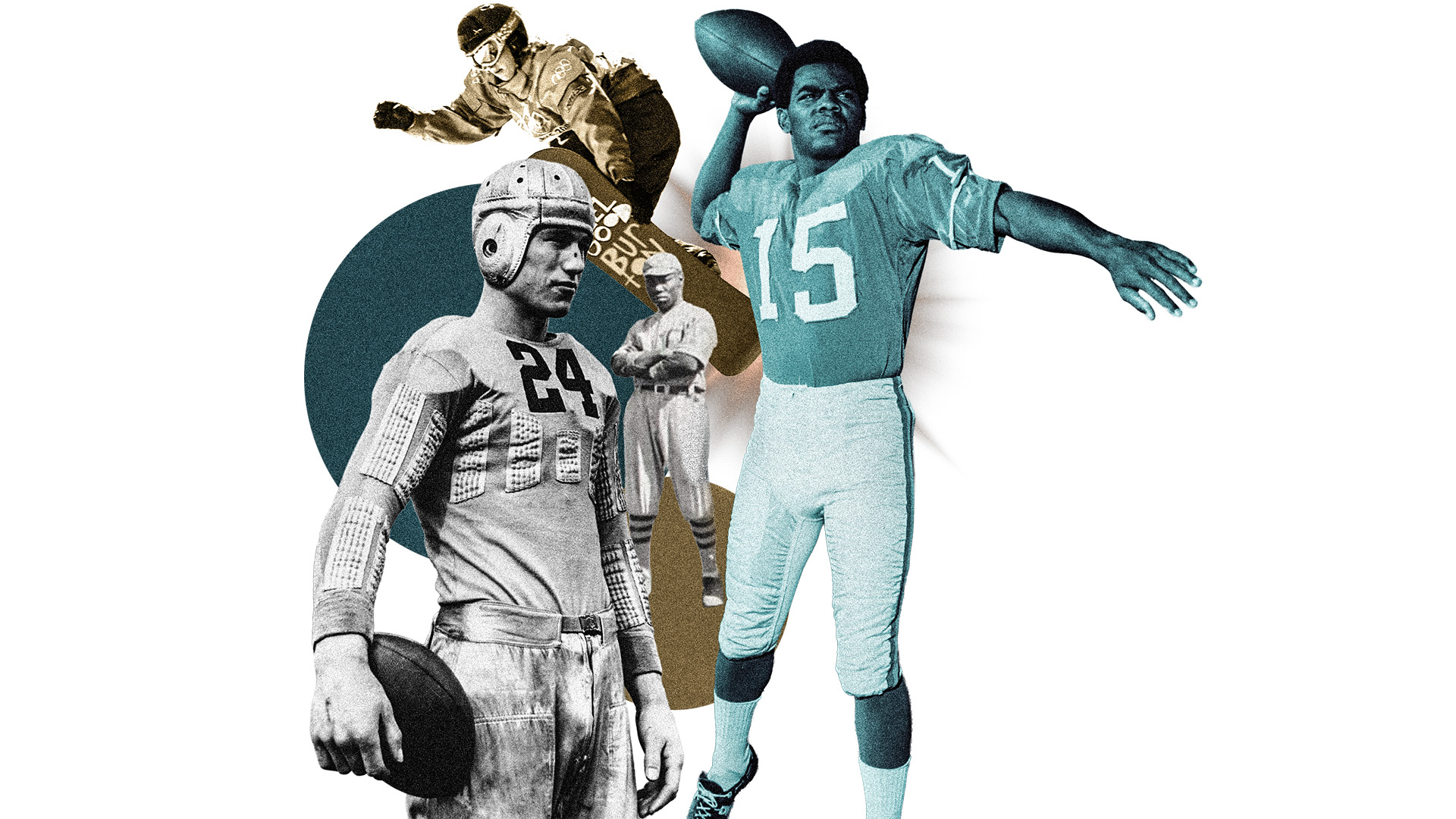
Last summer, we published a lineup of Colorado GOATs, and the roster included names both familiar (Elway, Shiffrin, Jokić) and ones that are less so (Hall, Knibb, Dauwalter). In honor of Colorado’s 150th birthday, we dug even deeper into the record books to find athletes whose legacies can’t be measured in trophies or stats.
Here, five stars who paved the way for generations of athletes behind them, both on the field and off it.
Jump Ahead:
Read More: The History Colorado Would Like You to Forget
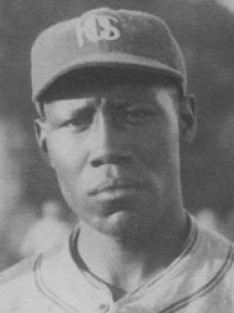
Theodore “Bubbles” Anderson
- Accolades: At 17 years old, this second baseman became the first and only Denver-born player to reach the Negro Leagues.
Born and raised in Five Points, five-foot-seven Anderson spent four seasons with four different clubs in the segregated league, starting with the Kansas City Monarchs when he was only 17. Though his career was brief, Anderson was part of a thriving Black baseball scene in Colorado, which included the Denver White Elephants (an all-Black team owned and operated by Rossonian Hotel owner A.H.W. Ross from 1915 to 1935) and the Denver Post Tournament (the exhibition hosted the first integrated game between professionals in 1934).
Marlin Briscoe
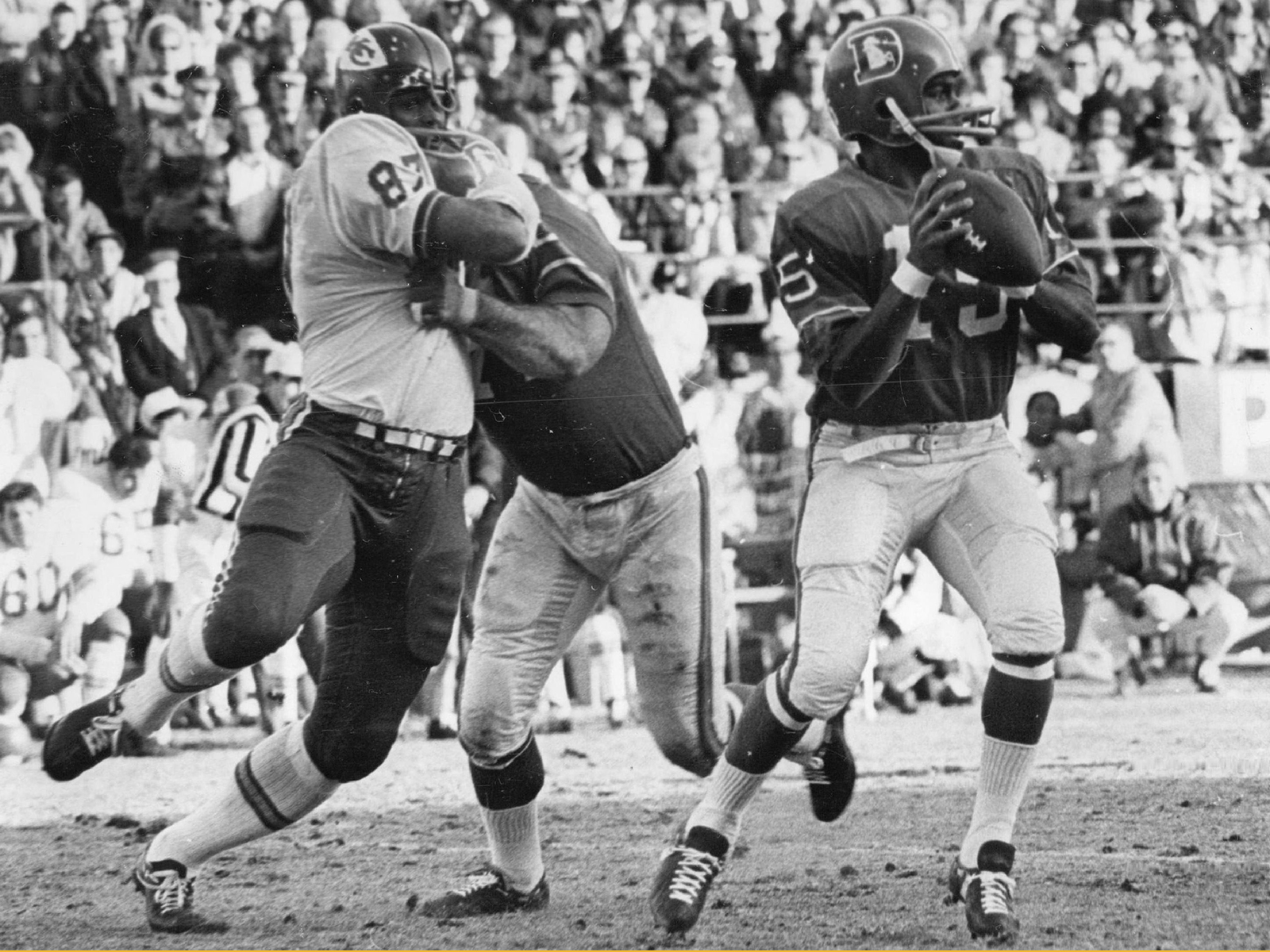
- Accolades: In 1968, this pioneering signal-caller set Broncos rookie records for passing yards in a game (335), touchdowns in a game (four), and touchdowns in a season (14).
The first Black quarterback in modern professional football, Briscoe threw for almost 1,600 yards in five starts and finished second in AFL Rookie of the Year voting. That wasn’t enough for the Broncos, who had drafted Briscoe to play cornerback and waived him that offseason. He went on to become a Pro Bowl wide receiver with the Buffalo Bills.
Shannon Dunn-Downing
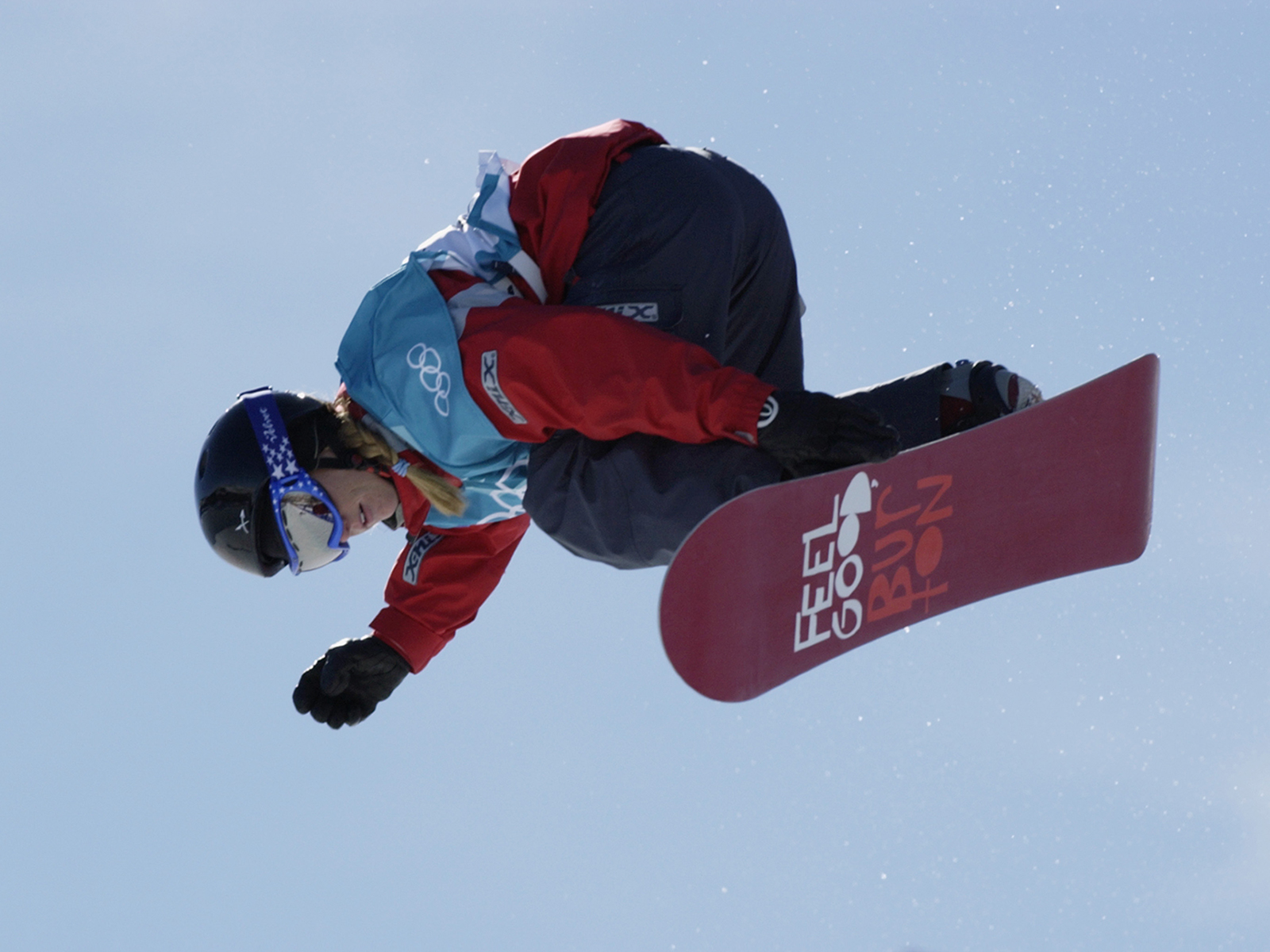
- Accolades: The first snowboarder from the United States to nab a podium at the Winter Olympics was this Steamboat Springs native.
Snowboarding debuted at the 1998 Olympic Games in Nagano, Japan, and despite wiping out on her second run, Dunn-Downing grabbed bronze. The jewelry was nice, but her greatest contribution to the sport might be breaking its ceiling: In 1994, Dunn-Downing, then part of a coterie of athletes helping to professionalize female snowboarding, helped design the first pro-model board for women, the Sims Sunflower. The company initially balked at its floral flourishes, but naturally, the Sunflower became Sims’ top seller.
Saul Halyve
- Accolades: This Hopi distance runner from Grand Junction emerged from anonymity to outpace both top amateurs and professionals in 1909.
Weighing only 111 pounds, a young Halyve won a 10-mile race through town—then dispatched at least two Olympians at a marathon in Denver a week later. Much of the publicity around his exploits centered on his home: the Teller Institute, part of a federal system of boarding schools for Indigenous youth. By the time Halyve attended Teller, which closed in 1911, the facility had fallen into disrepair; evidence suggests dozens of children died there, but ongoing efforts to locate their graves have proven unsuccessful. Little is known about Halyve’s later life.
Byron White
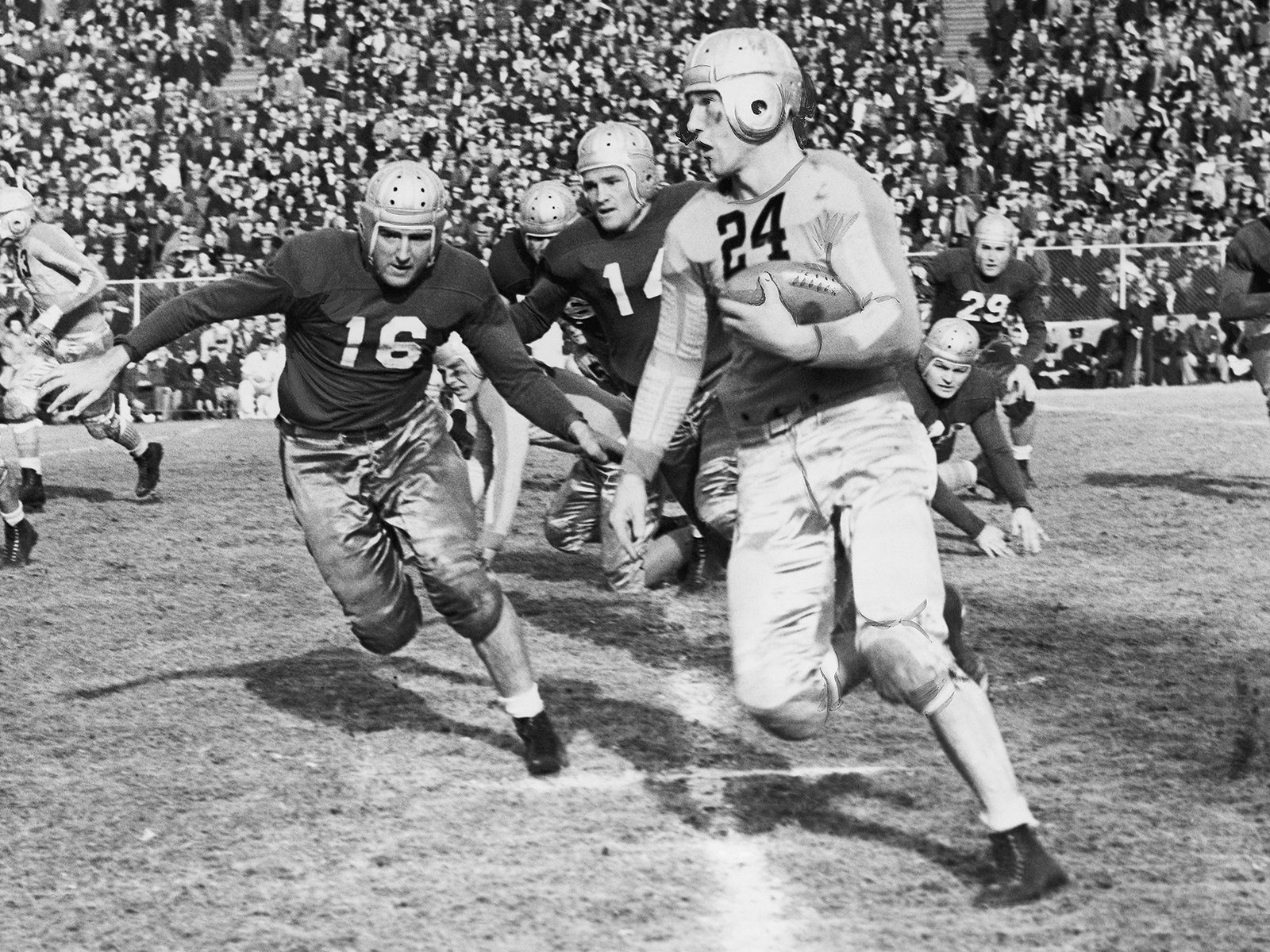
- Accolades: Known as the Whizzer, this fleet-footed running back became the University of Colorado Boulder’s first All-American in 1937, setting the single-season record for rushing yards (1,121).
Though White would lead the NFL in rushing as a rookie for the Pittsburgh Pirates (now Steelers), he’s better known for riding the bench. The Rhodes Scholar attended Yale Law School while playing for the Detroit Lions and, after serving as the deputy attorney general of the United States, White was named to the U.S. Supreme Court by President John F. Kennedy in 1962. Serving until 1993, White famously dissented in Roe v. Wade and Miranda v. Arizona but often ruled in favor of desegregating public schools and upholding affirmative action.