


The Local newsletter is your free, daily guide to life in Colorado. For locals, by locals.
When she was a little girl, Connie Paich and her sisters watched from the family car as a group of kids dumped milk on an older man outside their local Englewood grocery store. Disturbed by the harassment, Paich made a decision, says her daughter, Abigail Jorgensen: “My mom said, ‘The rest of my life is going to be dedicated to helping [the] elderly.’ That was the exact moment she knew her calling.”
That resolve never wavered.

Paich earned a degree in gerontology from the University of Northern Colorado in Greeley, then spent the next 35 years of her life caring for older adults, eventually specializing in Alzheimer’s patients. She worked in assisted living and memory care facilities and later provided in-home treatment, but her career was more than a job. “Every free moment we had was spent in nursing homes,” Jorgensen says. “If I got grounded, she would make me hike and go visit nursing homes.”
Almost 91,000 Coloradans over the age of 65 are battling Alzheimer’s, but the disease afflicts thousands more. Relatives often struggle to adjust to the loss of their loved ones’ memories—and their personalities. As a caregiver, Paich watched as children, in particular, felt confused, frustrated, or hurt when a grandparent’s behavior changed. So, once again, she made a decision: Someday, she would write a book to help kids and adults navigate an Alzheimer’s diagnosis.
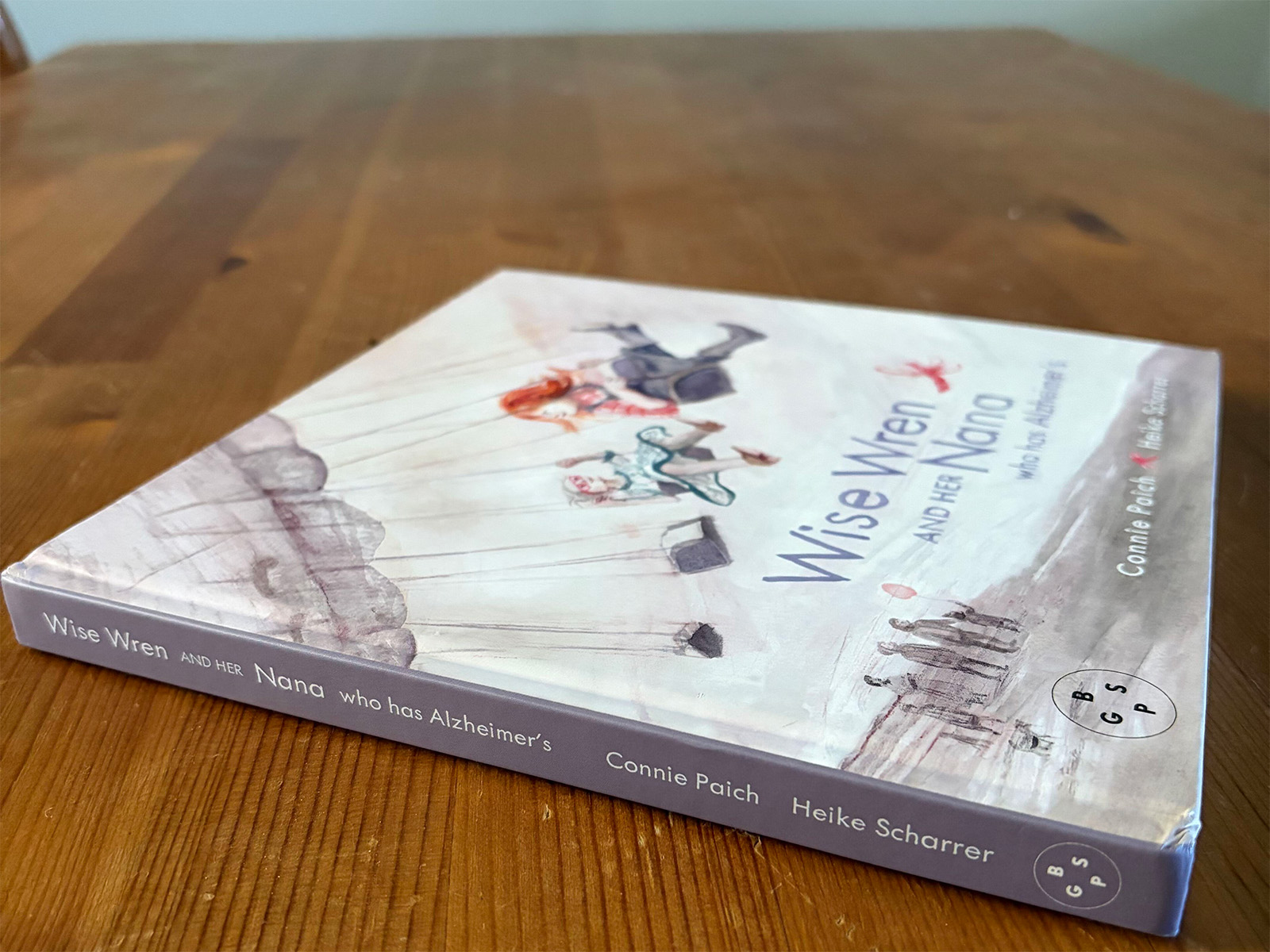
It took years, but Paich made good on that promise, too. This past March, she published Wise Wren and Her Nana Who Has Alzheimer’s, a 200-page tale that follows the title character as she experiences many of the real-life scenarios Paich encountered during her career. Nana, for example, eagerly recounts to Wren a recent trip she took to Paris. Rather than point out that the vacation happened years before, Wren patiently listens to stories she’s heard countless times and then asks questions about the journey. “She realized that many people simply weren’t given the tools to understand the disease or communicate effectively,” Jorgensen says. Each chapter of the book tackles a different difficult situation—from repeated questions and forgotten names to longing for former homes or spouses.
Wise Wren proved to be the final chapter in Paich’s Alzheimer’s advocacy. This past February, she learned that the breast cancer she had previously battled had returned and spread to her lungs and bones. She died at her home in Littleton less than two weeks later, at the age of 70. Before her death, however, her publisher mailed Paich an advance copy of Wise Wren, an illustration of a red-haired child and her grandma staring back at her from the front cover.
“I really think my mom was on borrowed time,” Jorgensen says. “To then hold her book, it was like she had what she needed.”
How to Help: This year’s Walk to End Alzheimer’s in Denver, which will be held September 19 at City Park, aims to raise $1.3 million. The money goes to the Alzheimer’s Foundation for care, support, and research. Sign up at alz.org.