
The Local newsletter is your free, daily guide to life in Colorado. For locals, by locals.
Look in the bottom right corner of your driver’s license, and you might see a tiny black heart with a Y inside it. If you do, you are among the 69 percent of Coloradans (roughly 4.1 million people) who’ve said yes to organ donation. Our rate is consistently among the top five in the nation.
“Most years, we’re number one or number two,” says Jennifer Prinz, president and CEO of Donor Alliance, the Denver-based nonprofit that coordinates deceased donations. “Colorado has had 11 consecutive years of growth in donation, which is extraordinary in our field,” especially considering that national numbers have taken an alarming dip (2.5 percent), the first such drop in more than a decade. (One thousand thirty-six lives were saved last year by 304 Colorado organ donors, who gave kidneys, livers, lungs, pancreases, and intestines.)

Behind this data is a hidden infrastructure of living and deceased donors, medical professionals, and volunteers. Most of the time, sickness is isolating. “Transplant is different,” as Joshua Mezrich writes in his poignant memoir, When Death Becomes Life: Notes From a Transplant Surgeon. “Transplant is all about having someone else join you in your illness.”
Below, you’ll read about everyday Coloradans who gave pieces of themselves to strangers; two women who sit with grief-stricken families as they decide whether or not to donate their loved ones’ organs; and a doctor working to make a once-unthinkable innovation a reality.
Jump Ahead:
- Meet 3 Organ Donors
- The Colorado Quilters Bringing Comfort to Organ Donors and Their Families
- The Women Who Help Families Say Goodbye
- The Impossible Eye Transplant
- The Most Common Misconceptions About Organ Donation
- Organ Transplant Terminology
- Colorado’s History in Organ Transplantation
Meet 3 Organ Donors
Only 18 percent of all kidneys and livers transplanted in the United States come from living donors. Nondirected donation, or a gift to a stranger, is even rarer: just 1.4 percent. Three Coloradans who are part of that exclusive group share their stories below.
Mike Culley
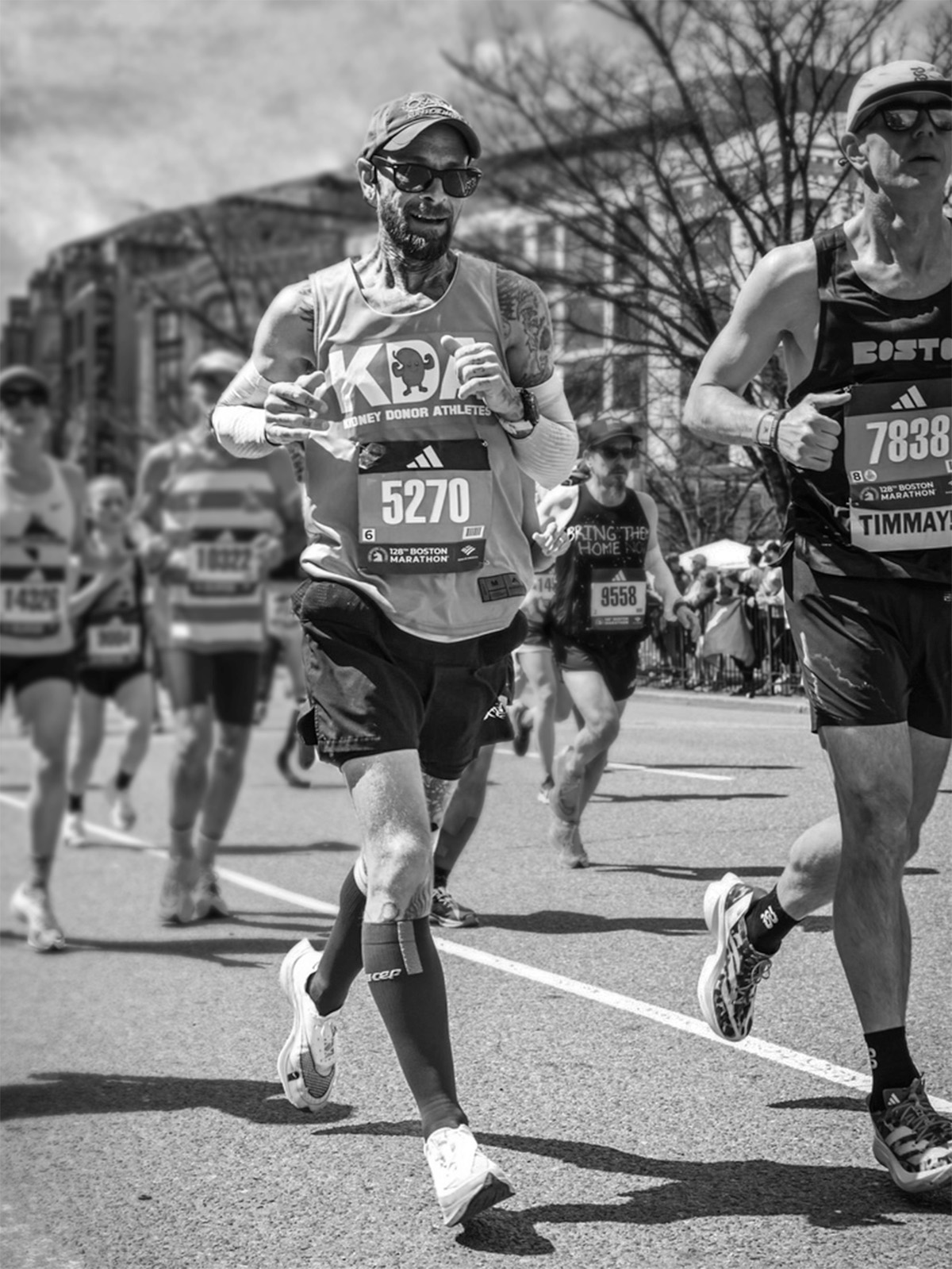
My friend Scott told me in 2021 that he needed a kidney. I know him through the Phoenix, which is this great group of sober athletes. I have 12 years of sobriety and he has 25.
Two other Phoenix friends tried to donate, but it didn’t work out. Everyone thought Scott needed a blood type match, but eventually we learned I could donate to a stranger and Scott would get a voucher to bump him up on the list. So I went through four months of screening; by then Scott was down to seven percent kidney function.
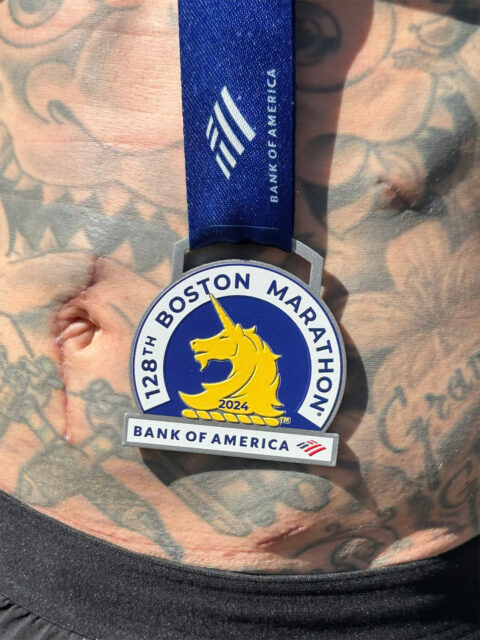
I was approved in February 2024. When I told the coordinator I had the Boston Marathon in April, she was adamant: “We have to postpone your surgery so you can run.” I told her no way. It was my fourth time running Boston, so it wasn’t a big deal to me.
The night before my surgery in March, a blizzard dumped two feet of snow on Colorado. Normally the drive from my house in Colorado Springs to the hospital in Aurora would take an hour, but this was three hours in a whiteout. On Scott’s end of things, it took time because he had an infection, but he got his new kidney with the voucher in August, after seven years on the waitlist.
I was walking around the hospital after my surgery, and then my walks got longer until I walked a half marathon. Initially the doctors said no running for four weeks, but as they got to know me better, they relented. I had run for 1,335 days in a row prior to my surgery, so I had a strong base. Boston was 32 days after the donation, and I was just like, “Whatever happens, happens.”
I felt really good till mile 18, when I hit the wall on some hills. I’d told my story to this coach I met before the race, and he was like, “Do it for your recipient.” That kept me going. She’s a young woman in Denver, and we eventually got to meet. My finish time was 3:45:12. It was my slowest Boston Marathon, but by far my favorite.
Jessica Byrd
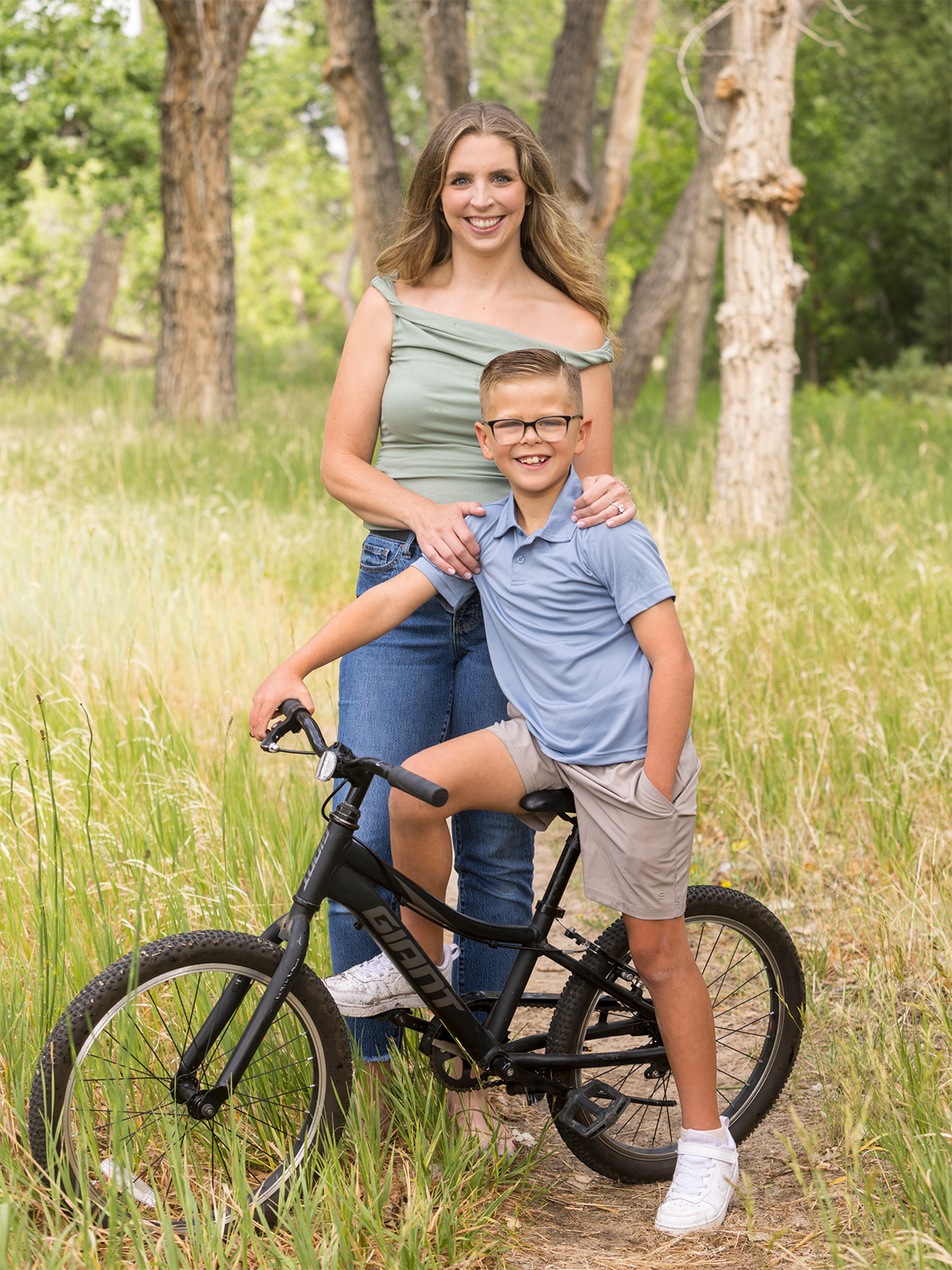
I learned about living donation from an episode of the podcast Freakonomics a decade ago. I thought, Huh, that’s cool. Then in 2017, my nephew, Sean, was born with kidney disease, and I knew I wanted to give to him. He wasn’t listed for transplant yet, but we knew he would be, and the time was right for me. It’s called advanced paired donation: I would donate to someone else now, and Sean would get a voucher—a “golden ticket”—to receive a compatible kidney.
I was the first advanced paired kidney donor to start the process with UCHealth. If you ever want to know more about your health, sign up to donate, because it’s so many tests.
I felt back to normal after two weeks. I’ve had two babies since then, and the only change to my health is I take Tylenol instead of Advil. Sean had his transplant in 2023, and he’s doing great. He went on vacation to Hawaii, and he’s done BMX classes on his bike. Those were things he couldn’t do before.
My recipient is a woman in her 30s in San Francisco. She chose not to be in touch, and I’m good with that. Honestly, the donation wasn’t a big moment in my life. I think of it like dropping off clothes at Goodwill: I didn’t need that kidney, and she and Sean did. It was as simple as that.
Dr. Rachel Davis
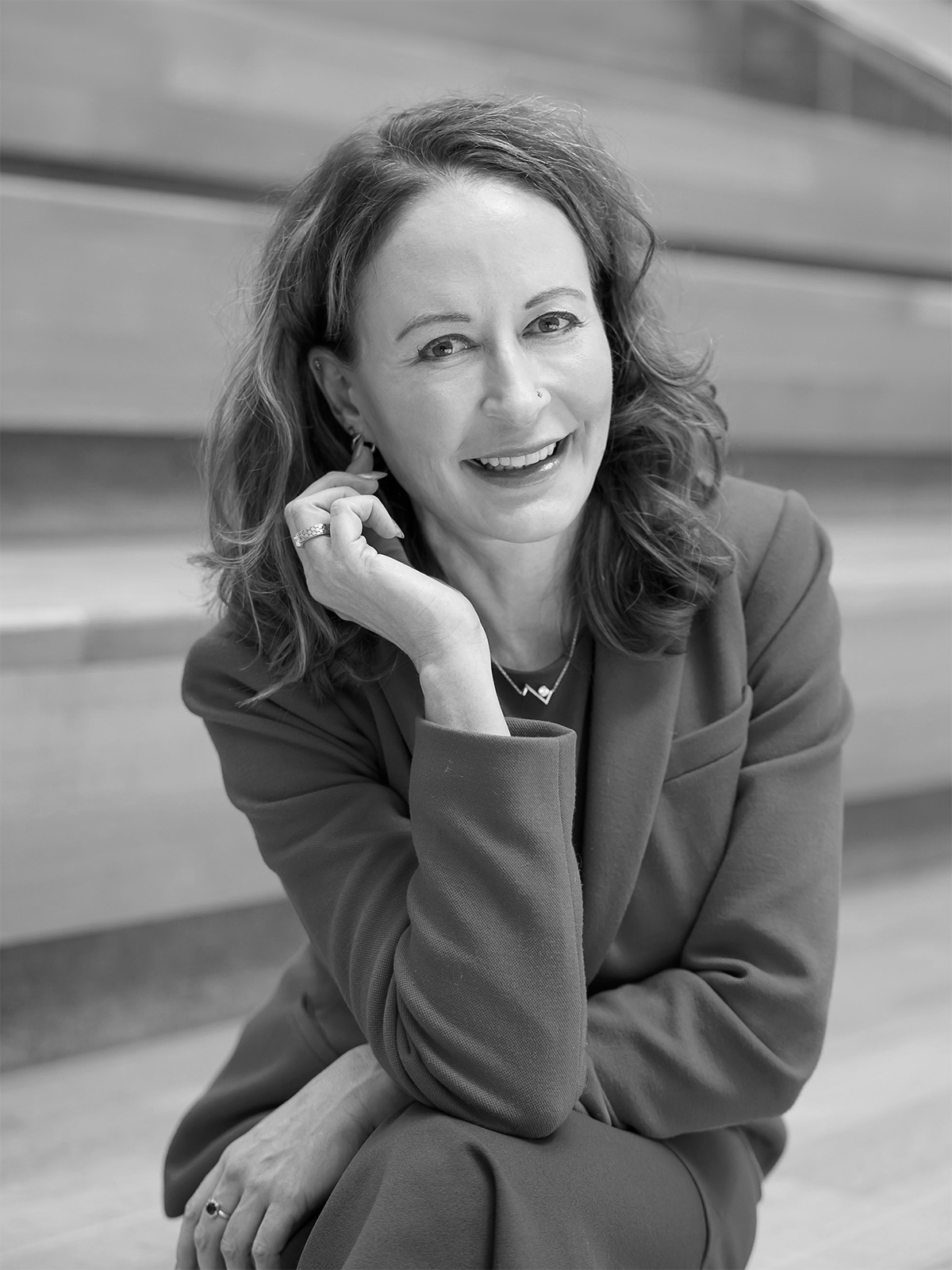
In 2002, I was a medical student at the University of Colorado Anschutz and heard that you can donate a portion of your liver and after a couple of months, it’ll grow back. I thought that was amazing. But nondirected donation didn’t really exist back then.
Twenty years later, after joining the psychiatry faculty at CU Anschutz, I saw an article about a woman in Denver who gave both her kidney and partial liver. It linked to a form for potential living donors, so I filled it out without too much thought. I got a call the next day. After months of screening, I donated 55 percent of my liver in 2022.
I worried people would think there was something wrong with me, to do this very unusual thing. The recovery was intense. My body was directing all of its energy into regrowing my liver, so I felt a lot of fatigue at first.
When my recipient, Lety Ortiz, and I met, it felt pretty profound—just seeing someone and knowing a part of your body is in theirs. Lety is Catholic, and she told me about a dream in which an angel came to her and said, “You don’t need to worry anymore. I’m going to give you part of my liver.” It’s a little weird to have someone think of you as an angel, but the donation is probably the coolest thing I’ve ever gotten to do in my life.
Read More: She Gave a Stranger Her Kidney. Now They’re Friends and Athletes in Denver’s Transplant Games.
The Colorado Quilters Bringing Comfort to Organ Donors and Their Families
In the 1990s, Bob McFarlane was working full time as a surveyor with Denver Water while living with kidney failure. He’d fight fatigue as he steered his pickup across the city. After work, McFarlane drove to a dialysis center to be tethered to a machine. It did the work his body couldn’t, washing his blood for three to five hours. McFarlane had to spend 15 hours a week this way for 18 months. “He’d get home at eight, we’d eat dinner, and the next day he’d do it all again,” says his wife, Elaine.
Elaine felt helpless, but there was one thing she could do: sew a quilt to keep him warm in the chilly dialysis clinic. She stitched cotton squares printed with a Chevy design, a tribute to Bob’s beloved 1958 Corvette. The quilt helped Bob hang onto the hope that maybe one day he’d be able to travel again. That dream came true twice: in 1990, after his first transplant, and again after his second in 2009. “He loved going on road trips with the Corvette group,” Elaine says. One summer, they joined a caravan from Denver to Kentucky and back—“with no AC or cruise control,” she laughs, “but we had the best time.”
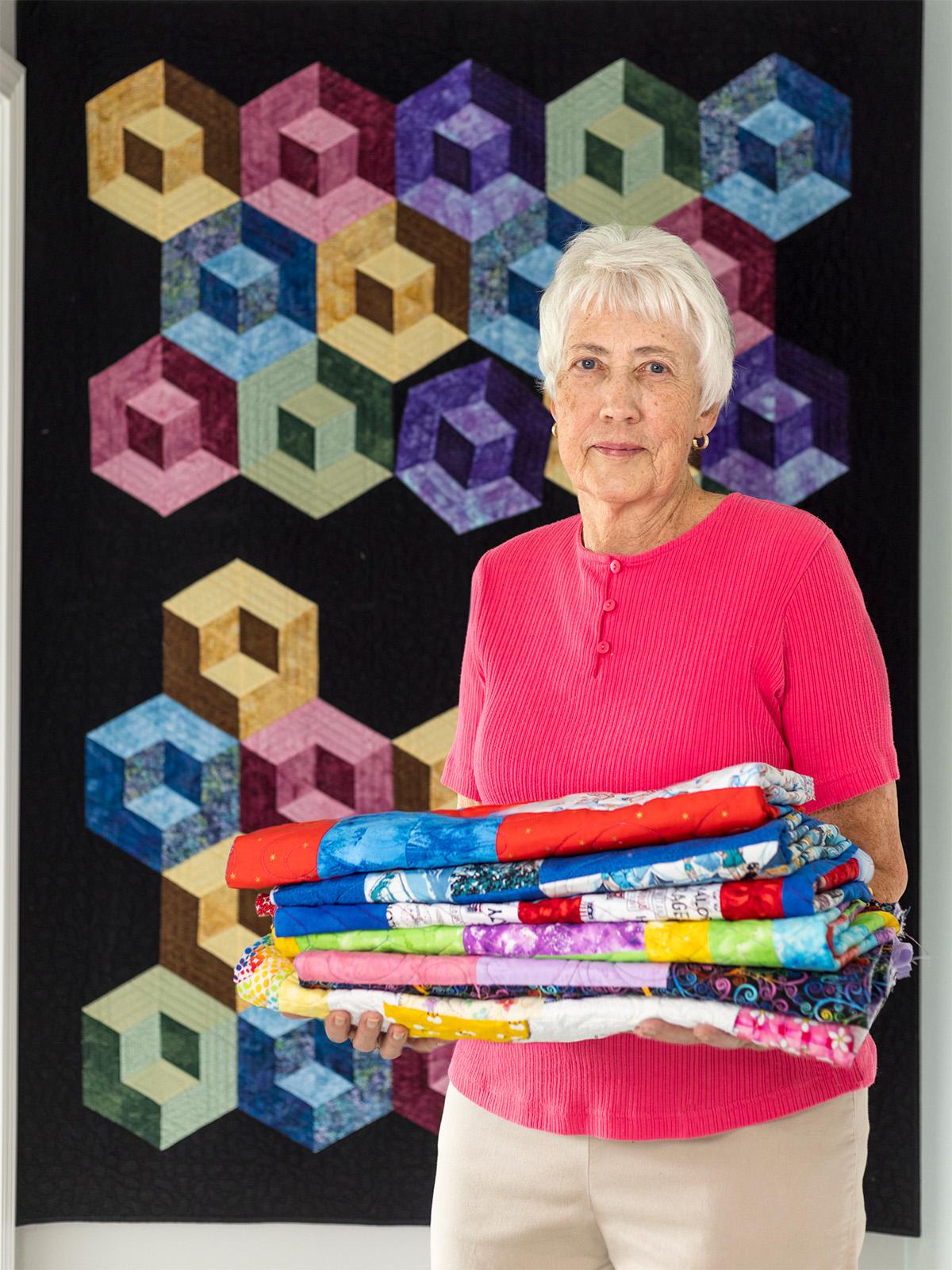
Bob died in 2012, but not from kidney disease. Elaine is grateful for their 38 years together, 22 of which were thanks to organ donation. Today she leads a team of volunteers called the Donor Alliance Quilt Project. Volunteers from the crafting groups Arapahoe County Quilters and Hands All Around stitch blankets that staff deliver to the hospital rooms where donors, many of whom have experienced brain death, spend their final days. Among the hundreds of quilts neatly folded in a cupboard at Donor Alliance’s Lowry office, there’s an option for every interest, all sorted by color and theme: the Denver Broncos, hiking, Legos, Batman.
“These are sad rooms,” says co-chair D’Anne VanGilder, a retired nurse. “The quilts give families and care teams something positive to talk about.” As loved ones and medical professionals line the halls for an honor walk—when the bed rolls to the operating room—the quilt is draped over the person, a brightly colored tribute to their humanity.
Last year, the nonprofit gave 350 quilts, each of which takes 18 hours to stitch, to donors’ families. The quilters often hear from them years later. “One woman said she flies a lot for business,” Elaine says, “and she always takes her butterfly quilt—her husband loved butterflies—with her on the plane, so he goes with her.”
The Women Who Help Families Say Goodbye
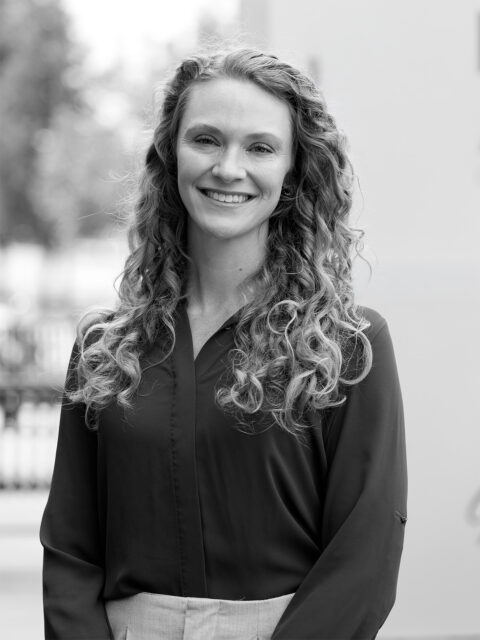
Ahtziri Pena, 28, and Sam Byrnes, 34, have one of the toughest and yet most rewarding jobs in medicine. As donor and family coordinators with Donor Alliance, the nonprofit that oversees deceased organ donation in Colorado, they visit hospital rooms where parents and siblings are doing the unthinkable: Saying yes to donation while saying goodbye to someone they love, often after a catastrophic accident, stroke, or overdose.
Here, they talk through concerns and questions, and often they simply sit with people in their pain.
Editor’s note: The following conversation has been edited for length and clarity.
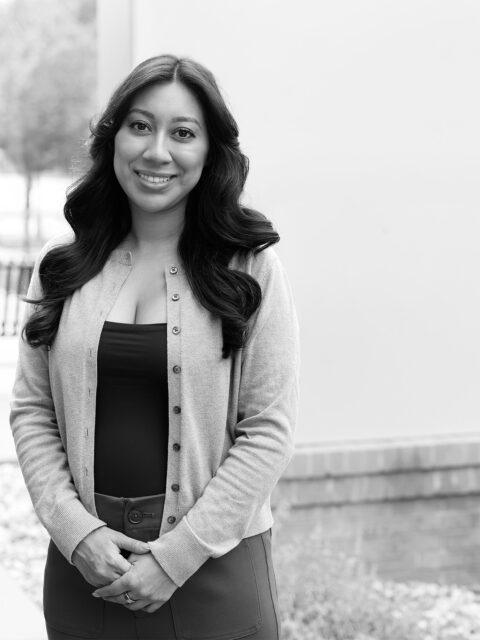
Ahtziri Pena: We’re walking into the worst day of someone’s life. You never get used to that. But I remind myself that my presence can make this unmanageable moment a little more manageable. Our priority is to support the family and their loved one. Often our work involves just listening or bringing them a glass of water.
Sam Byrnes: When you’re going through grief, you might forget to eat or drink; you might be pacing and need to sit down. You’re probably not getting much sleep. It can be hard to remember to take care of your basic needs. One of my favorite parts of my job is simply being present with families. We stay as long as they need, and because we do 24-hour on-call rotations, someone is available any time of day or night.
AP: I’m one of our bilingual coordinators, so I speak Spanish with families to help them feel more comfortable. I was with a family yesterday, and they were doing a beautiful practice called a velorio. It means to keep watch over the person and let their soul rest. Everyone in the family was praying together, and it was important for me to help minimize interruptions from the hospital staff.
SB: We are only introduced to families once they have made end-of-life decisions or if they’re asking about donation specifically. That’s very, very important. There is no rush and there is no pressure to donate. We will also talk through all their fears and questions about donation.
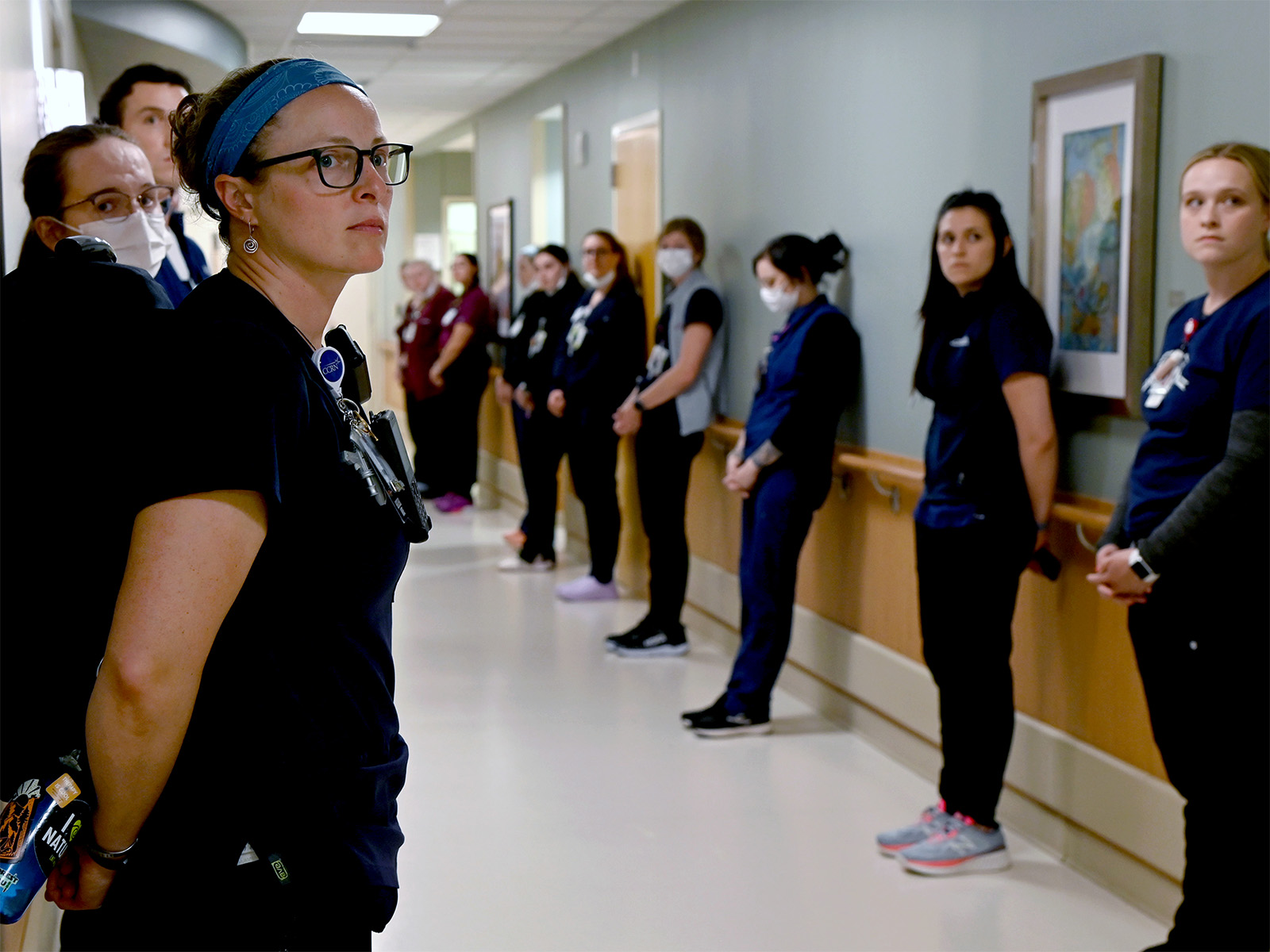
AP: A few months into my job, one of my family members died and became a donor. We did an honor walk. It was the most impactful part of the grieving process for me. We had family, friends, doctors, nurses, even Donor Alliance staff all standing in the halls to show respect for my loved one, and we have a video of it. It’s still amazing to me how many people were present.
SB: A lot of people find meaning from the moment of silence card, where the family writes information about their loved one. We read it aloud in the operating room, and everyone pauses for a moment of silence before the recovery of the organ and tissue gifts.
AP: Cards have said things like, “He loved music,” “She was a sunshine to our family,” or “He was a prankster and had the best jokes.” If they speak another language, they write memories in their language, and we translate it to English for the medical team.
SB: Our aftercare team supports family and friends years later too. Quilts, handprints, memory cards, and suncatchers are some of the objects we offer. They also may have the chance to meet recipients in person, if both parties choose, and that can lead to friendships.
AP: What has surprised me the most is that donation isn’t about death. It’s about honoring someone’s legacy and changing the last chapter of their life.
The Impossible Eye Transplant
The idea of an eye transplant was, until very recently, firmly in the realm of science fiction. Unlike a kidney or heart transplant, which involves a single type of tissue, an eye transplant means hooking up an extension of the brain: the optic nerve, a mind-bogglingly complex neural cord that connects your eyes to your mind. No wider than a grain of rice, this human USB cable is packed with more than one million individual nerve fibers, each carrying a massive amount of data.
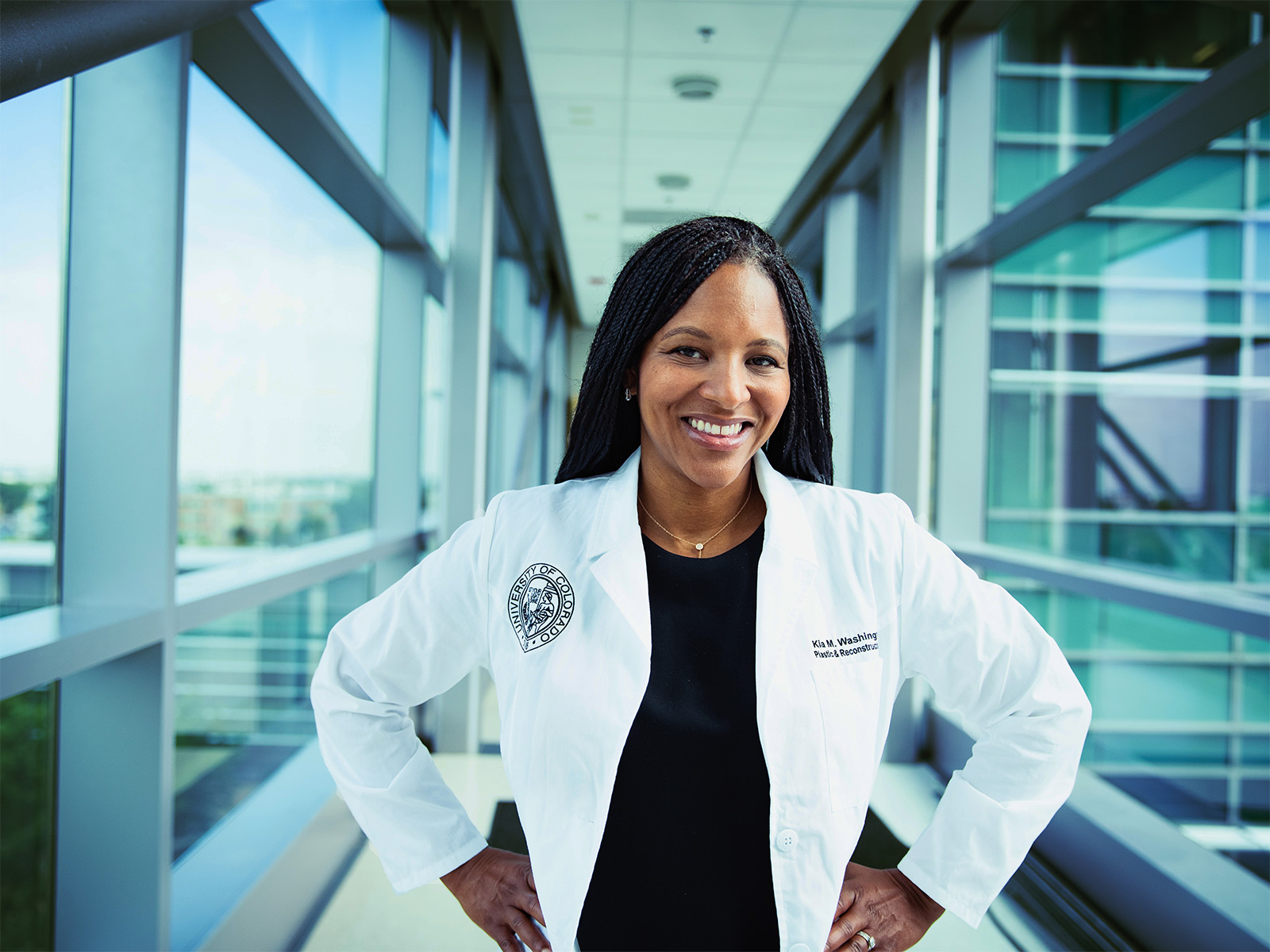
“It was definitely considered a crazy idea,” says Dr. Kia Washington, a CU Anschutz professor, surgeon, and scientist who now leads a nine-university team focused on the moonshot challenge. “But I think a generation or two from now, it will be part of the armamentarium of care for blindness.”
Washington’s work is fueled by two huge federal grants, including $46 million from the Department of Health and Human Services’ Advanced Research Projects Agency for Health and $6 million from the Department of Defense. The military is investing in eye transplants because vision loss, often from a bomb blast, is one of the most common combat injuries, but the surgery may someday stand to benefit many of the 43 million blind people worldwide. Washington’s team is already practicing the procedure on rats and other animals. “We’re projected to get to human clinical trials in four years, which is ambitious,” she says.
The science is moving fast: In 2023, a team at NYU Langone Health in New York City performed the world’s first (non-functional) whole eye transplant. Merely getting the body to accept a new eye required years of honing medications and surgical techniques; now the Colorado team is trying to restore vision too.
Long odds don’t faze Washington, 50, who has encountered plenty of them in her career as a Black female surgeon (just 1.7 percent of U.S. surgeons are in that demographic). “My dad used to say, ‘You have to be three times as good as everyone else,’ ” she recalls. “Because I was a girl, and Black, and I don’t even remember the third reason.” Washington trained at the University of Pittsburgh’s Thomas E. Starzl Transplantation Institute, named for Colorado’s Father of Modern Transplantation.
When she’s not working in the lab, Washington, who played soccer for Stanford University, is on the pitch cheering for her two daughters. She encourages them, and the young women who she hires to join her research team, to take risks, embrace ambition, and push through fear. “When you are the only person of your identity in a room, there is so much pressure to be perfect,” she says, “but perfection prevents you from growing. So I tell them not to be afraid of taking big risks.” We’re betting that her biggest one will pay off.
The Most Common Misconceptions About Organ Donation
Myth: Donors must be young.
Truth: While young organs may last longer, age is not a disqualifier.
“People often think that they are too old or sick to donate,” says Jennifer Prinz, CEO of Donor Alliance. “But we have had donors of all ages—Colorado’s oldest was 105.”
Myth: The kidney is the only organ a living donor can give.
Truth: It’s by far the most common, but others are on the rise.
“Partial liver, lung, intestine, pancreas, and even uterus transplants have occurred with living donors,” Prinz says. That list also includes bone marrow and tissue donations. If you give birth via a scheduled C-section, you can donate your placenta for use with burn patients or in reconstructive surgery.
Myth: Living donors are on the hook for medical costs or lost wages.
Truth: Colorado has robust state-level protections, so donors never see a bill.
The recipient’s insurance covers all costs. “Our state has laws to protect donors from life insurance and long-term disability discrimination, job-protected leave for public employers, and tax credits for employers that provide paid leave for donation,” says Tyler Branagan, a transplant ethics expert and associate professor at CU Anschutz’s medical school.
Myth: You must have long-term sobriety to get a liver transplant.
Truth: Not always.
Alcohol addiction is the most common reason for liver transplant, accounting for about 40 percent of all cases. Until recently, most U.S. hospitals required six months of sobriety before surgery. That standard is changing, thanks in part to a study Branagan published in 2023 that showed that survival times and relapse rates do not vary with how long someone has been clean.
“We’ve found that newly sober patients do just as well,” Branagan says—especially when the transplant is paired with wraparound mental health support.
Myth: A donated organ lasts a lifetime.
Truth: Many recipients will need more than one transplant.
Even with immune-suppressive drugs, the body may eventually reject a donated organ. The average lifespan of a transplanted heart is about 12 years, while a liver usually lasts five to 10 years. Kidneys can last anywhere from eight to 20 years. Organs from living donors generally last longer than those from deceased donors.
“I tell patients that transplant isn’t the finish line,” Branagan says. “It’s a lifelong journey.”
Myth: Some religions don’t support organ donation.
Truth: Most do.
“Virtually all major faiths support donation as an act of compassion and charity,” Prinz says. In Japan, where Shintoism discourages deceased donation, living donation is much more common than in North America. Roughly 85 percent of organ transplants in Japan come from living donors.
Organ Transplant Terminology
Kidney Voucher
An increasingly common “golden ticket” program (the first of which was launched in 2014). If your loved one needs a kidney but you aren’t a blood type match, you can donate to a stranger. In return, your friend or relative gets a voucher that will drastically reduce their wait time.
Allocation
The complex, ethically fraught process of determining who gets which organ. The sickest patients are at the top of the list, but those who are deemed too sick to have a good chance at survival are removed. Doctors accept or decline each organ offer based on its condition and whether they think it’s a fit for their patient.
Honor Walk
An increasingly common practice that pays tribute to a deceased donor on their way to the operating room for the organ procurement surgery. Family and friends, doctors and nurses, chaplains, and even security officers quietly line the halls. In addition to helping families, the ritual can also be beneficial for medical professionals struggling with secondary trauma and burnout.
Colorado’s History in Organ Transplantation
Colorado has long been a pioneer in organ transplantation, in part due to the work of CU Anschutz’s Thomas Starzl, a midcentury surgeon who became known as the Father of Modern Transplantation.
- 1962: Starzl performs Colorado’s first kidney transplant. Because researchers were still learning how to suppress the immune system to accept a donated organ, this transplant, like most at the time, took place between a pair of twins.
- 1967: He completes the world’s first successful liver transplant, following an unsuccessful attempt in 1963. Two-year-old Julie Rodriguez lived for 400 days. Starzl kept a painting of her by his bed for the rest of his life.
- 1989: Starzl pioneers the use of tacrolimus, a drug still used today to keep recipients’ bodies from rejecting donated organs.
- 1992: The world-famous surgeon opens up about his imposter syndrome and crippling anxiety, telling a reporter he was terrified every time he picked up a scalpel. He later writes in his memoir that he struggled with “an intense fear of failing the patients.”
- 1999: Starzl becomes the most credited researcher in medical history at the time, racking up 26,456 citations from other scientists.
Read More: The Crusader