
The Local newsletter is your free, daily guide to life in Colorado. For locals, by locals.
While gathering artifacts for a new exhibit at History Colorado, Gwendolyn Lockman came across plenty of pieces whose significance needed little explanation: George Washington’s spurs, Jackie Robinson’s bat, an ink well from Appomattox, Virginia, where generals Robert E. Lee and Ulysses S. Grant negotiated the Confederates’ surrender. Then there was a pair of sandals. Made from old tires, their backstory was a mystery. The only thing Lockman, the museum’s senior exhibition developer and public historian, knew for sure was that they had been donated by a Vietnam War veteran.
Nevertheless, when Moments That Made US, a collection of 50-plus pieces that tell the story of America’s first 250 years, opened this past November, there was the humble footwear, sharing the spotlight with George, Jackie, and Ulysses. Why did an unknown relic make the roster? Because they were unknown. Most Americans, Lockman says, don’t realize many Vietnamese had to wear these types of shoes—“They really speak to an economy of necessity,” Lockman says—and that when the United States finally pulled out, those who had collaborated with the American military had to flee their country. “It’s a very violent and desperate story,” Lockman says. “It’s a very difficult, very human part of the story.”
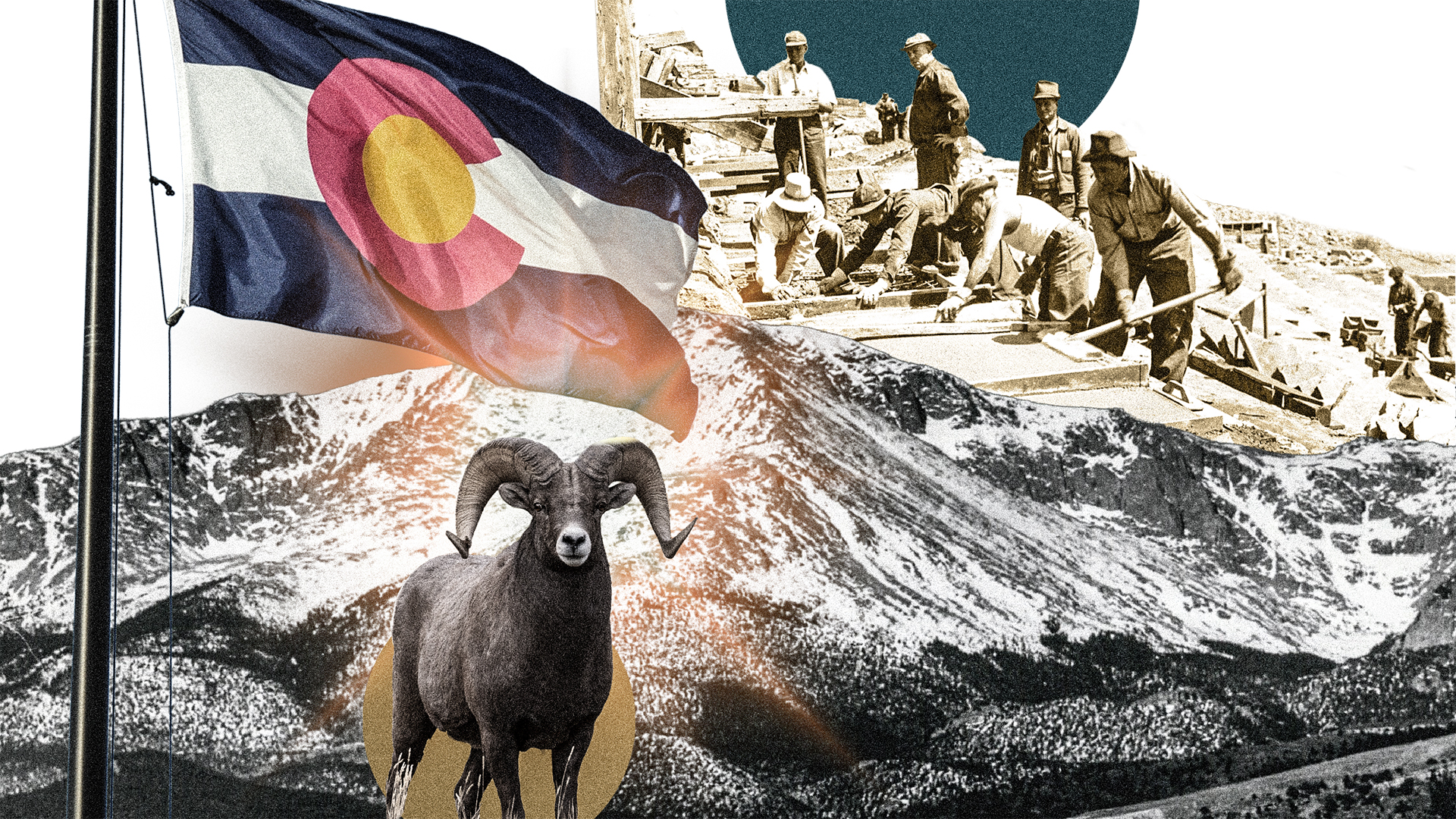
This month, the United States celebrated the 250th anniversary of the signing of the Declaration of Independence. Colorado will share in the festivities by toasting its 150th birthday, even though it didn’t technically achieve statehood until August 1, 1876. The official America 250-Colorado 150 Commission has organized drone shows, a community fourteener hike on August 1, and a digital passport program that rewards those who visit destinations around the state, from the Denver Botanic Gardens to Parry’s Pizzeria & Taphouse in Longmont.
Before the revelry begins in earnest, however, we decided to do some digging. A lot has happened in the past 150 years, and really, our collective history stretches back much further than a measly century and a half. We wanted to find the nuggets we didn’t learn about in school: the people, the movements, and the innovations that escaped widespread notice but continue to shape Coloradans’ lives in the 21st century. As with the sandals in Moments That Made US (open through October 18), what we unearthed didn’t always reveal happy truths; the good often sits close to the bad. “I guess it runs up against the idea of ‘History will judge,’ ” Lockman says. “History itself doesn’t judge.” Hopefully, though, it learns.
Jump Ahead:
- Colorado History Quiz
- The Rise and Fall of Colorado’s Ku Klux Klan
- Books About Colorado History
- A Timeline of Violence That Shaped Colorado
- This Traveling Museum Challenges Colorado’s Founding Story
- 250-150 Events Going Deep on Colorado History
How Well Do You Know Colorado’s Past?
The Rise and Fall of Colorado’s Ku Klux Klan
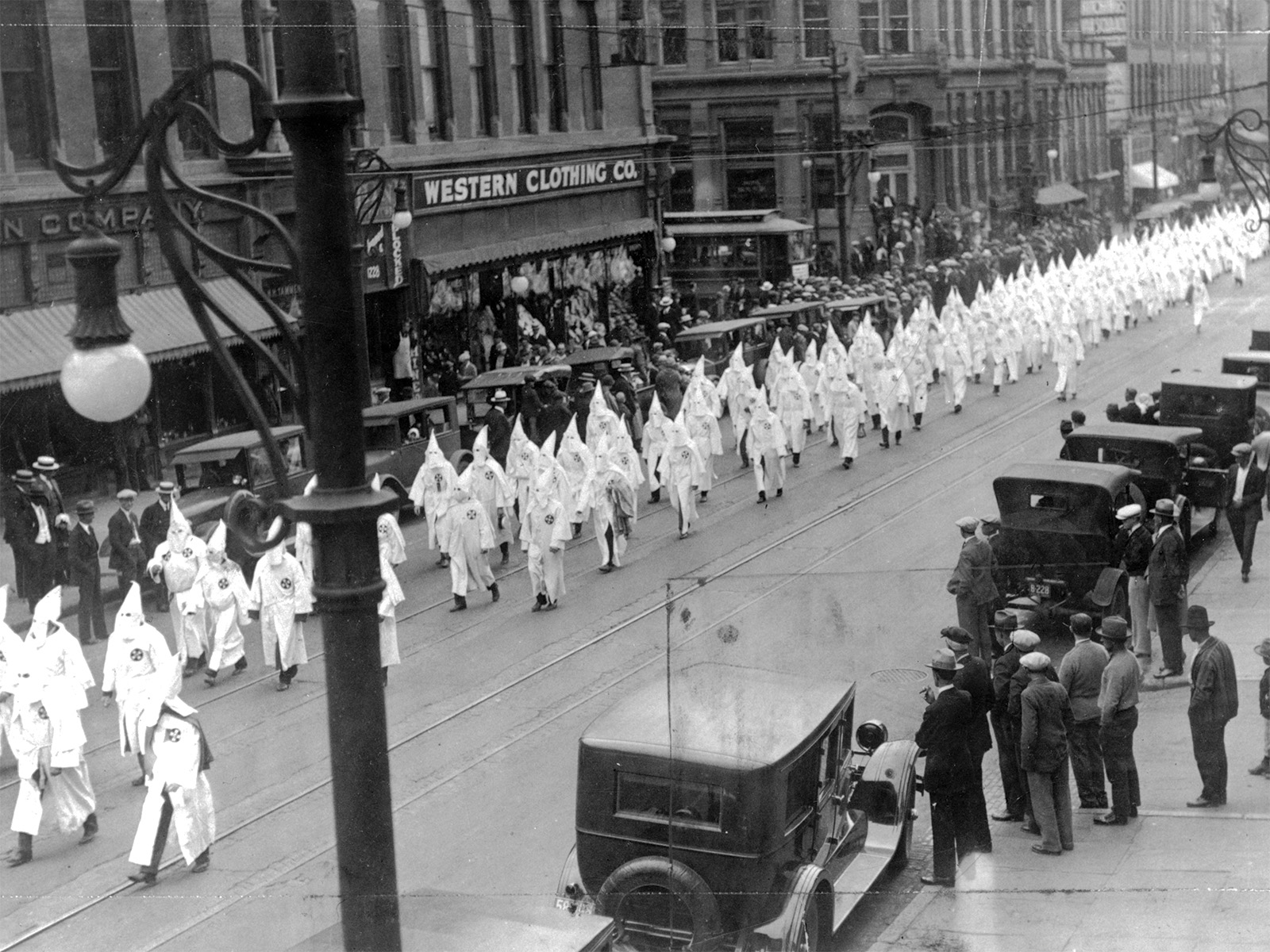
Picture the scene on a summer night a century ago: Thousands of men in white robes and pointy hoods gather on top of South Table Mountain outside of Golden, singing along as a marching band plays patriotic tunes and crosses burn. They cheer wildly as Denver’s mayor and police chief make speeches, promising to clean up the state and keep Colorado in the hands of “one-hundred-percent Americans”—meaning the native-born, Protestant-white-male membership of the Ku Klux Klan.
Rooted in white supremacy but politically savvy, the Klan of the 1920s was a different animal from the vigilante group that terrorized the South during Reconstruction. The rebooted version directed its shifting moral crusade at immigrants, Bolsheviks, ethnic groups, jazz-crazed flappers, and any other target that could stoke fear and resentment and aid Klan recruitment. In Colorado, the KKK found traction denouncing Catholics and Jews as unpatriotic “aliens.”
Under the guidance of physician John Galen Locke, the Colorado KKK evolved rapidly from a shadowy fraternal organization to a brazen political force, with its hooks deep in the state’s Republican party. At rallies, grand dragon Locke bragged of having the publisher of the Denver Post in his pocket and Denver’s mayor, Ben Stapleton, in his debt. He urged his flock to support Klan boycotts of Catholic, Jewish, and Black businesses and told them who to vote for. By the end of 1924, Colorado had a Klan governor, two Klan-sponsored U.S. senators, and an estimated 34,000 dues-paying Klansmen around the state. (Strongholds included Boulder, Cañon City, and Grand Junction, in addition to Denver.)
But over the next two years the organization collapsed, shedding followers as abruptly as it had gained them. Governor Clarence Morley was unable to get any of his anti-Catholic legislation through the Statehouse, blocked by a defiant coalition of Democrats and rogue Republicans. Internal feuds, tax investigations, scandals over embezzled funds, and other corruption decimated the national leadership. As the Klan imploded, Locke launched a rival populist organization, the Minutemen, but many of his former backers refused to go along. They were opportunists, small business owners who’d joined the Klan in the hope of improving their trade—or out of fear of reprisal. When the movement lost steam, they jumped ship.
Some credit for the Klan’s demise is also due to the hardy activists who opposed the group. Passing for white, African American physician Joseph Henry Peter Westbrook infiltrated Klan meetings for years. There were pockets of resistance in Catholic and Jewish communities, too. And while most elected officials embraced the Klan or were intimidated into silence, Denver District Attorney Philip Van Cise spoke out repeatedly against the Kluxers. Van Cise exposed several of the Klan’s stooges and illegal schemes, calling the group “un-American in every possible particular.” Just as important, he held up the men in hoods to public ridicule, signaling the beginning of the end of the Klan’s brutish and short dominion in Colorado. —Alan Prendergast
Read More: Gangbuster Chronicles a Denver DA Who Took on Mobsters, Conmen, and the KKK in 1920s
3 Books About Colorado History
The Man Who Thought He Owned Water by Tershia d’Elgin

D’Elgin untangles the complex, intersecting interests involved in Colorado water rights by focusing on her family’s farm, Big Bend Station, near Greeley. Despite being situated on the South Platte River, her father and mother struggled to secure irrigation, leaving their crops gasping.
The Olympics That Never Happened by Adam Berg
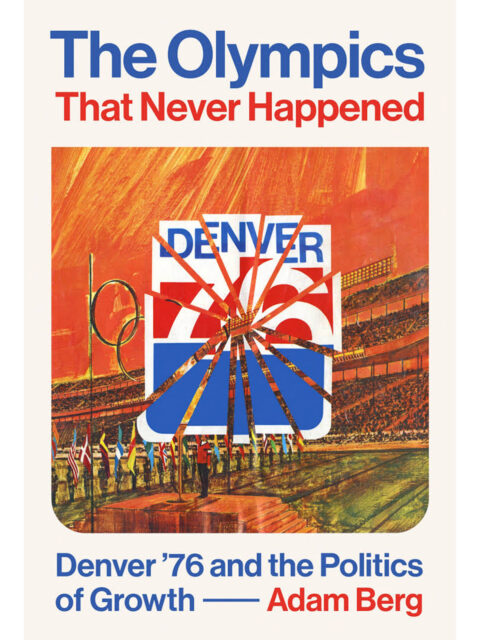
In 1970, a package crammed with unrealistic cost estimates and bribes landed Denver the Winter Olympics six years later. Colorado voters, however, denied funding for the Games. In Berg’s telling, this civic revolt was a coordinated attempt to unseat the powerbrokers who ruled Colorado and Denver at the time.
Mac McCloud’s Five Points by William Wyckoff
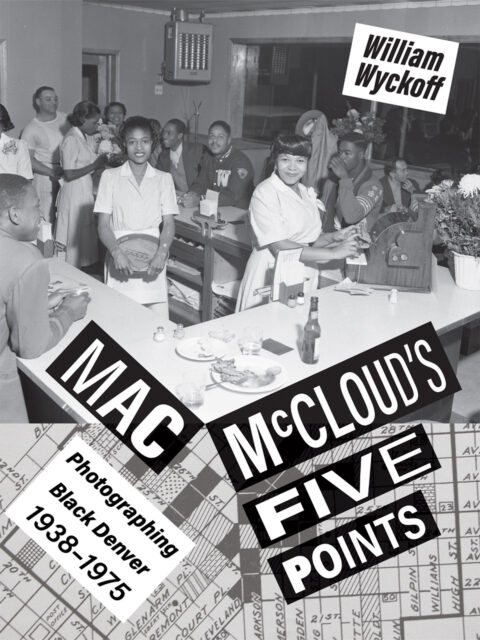
From 1938 until his death in 1990, Five Points photographer Burnis “Mac” McCloud produced more than 100,000 negatives. Wyckoff, a geography professor at Montana State University, combed through the catalog to find 72 images that documented everyday, midcentury Black life in the neighborhood.
A Timeline of Violence That Shaped Colorado
1854: El Pueblo Incident
On Christmas Eve, a group of Utes attacked El Pueblo, a trading post on the Arkansas River where Americans, Mexicans, and Native Americans met to swap goods. The Utes killed six people, and two bodies were never found; five Native Americans died. Although dubbed a “massacre” at the time, the assault followed a string of broken promises by the territorial governor, including food and medicine, protection from other Native American attacks (the Utes weren’t allowed to own guns, even though the government armed rival tribes), and prohibition against Anglo settlement in the San Luis Valley.
1864: Sand Creek Massacre
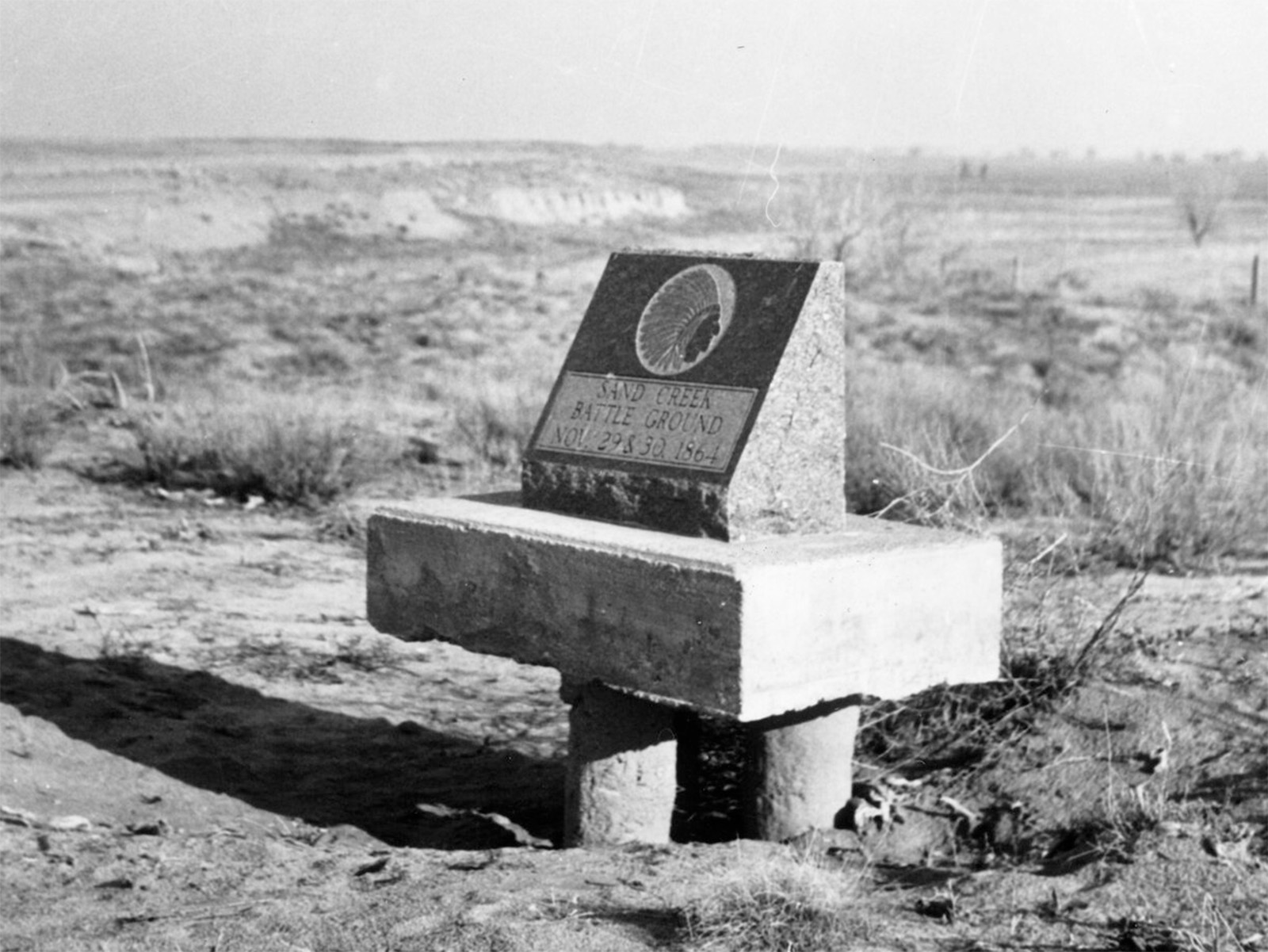
While awaiting the resolution of conflicting orders—one commanded Cheyenne and Arapaho tribes to report to Fort Lyon; another directed American troops to shoot any Native Americans who approached Colorado Territory forts—Chief Black Kettle led a camp of about 750 Cheyenne and Arapaho to a bend in Big Sandy Creek in southeast Colorado. There, on November 29, a U.S. force led by Colonel John Chivington attacked and murdered 230 Native Americans, most of whom were women, children, and elders.
Read More: The Mysterious History Behind the Murders That Led Up to the Sand Creek Massacre
1880: Denver Anti-Chinese Riot
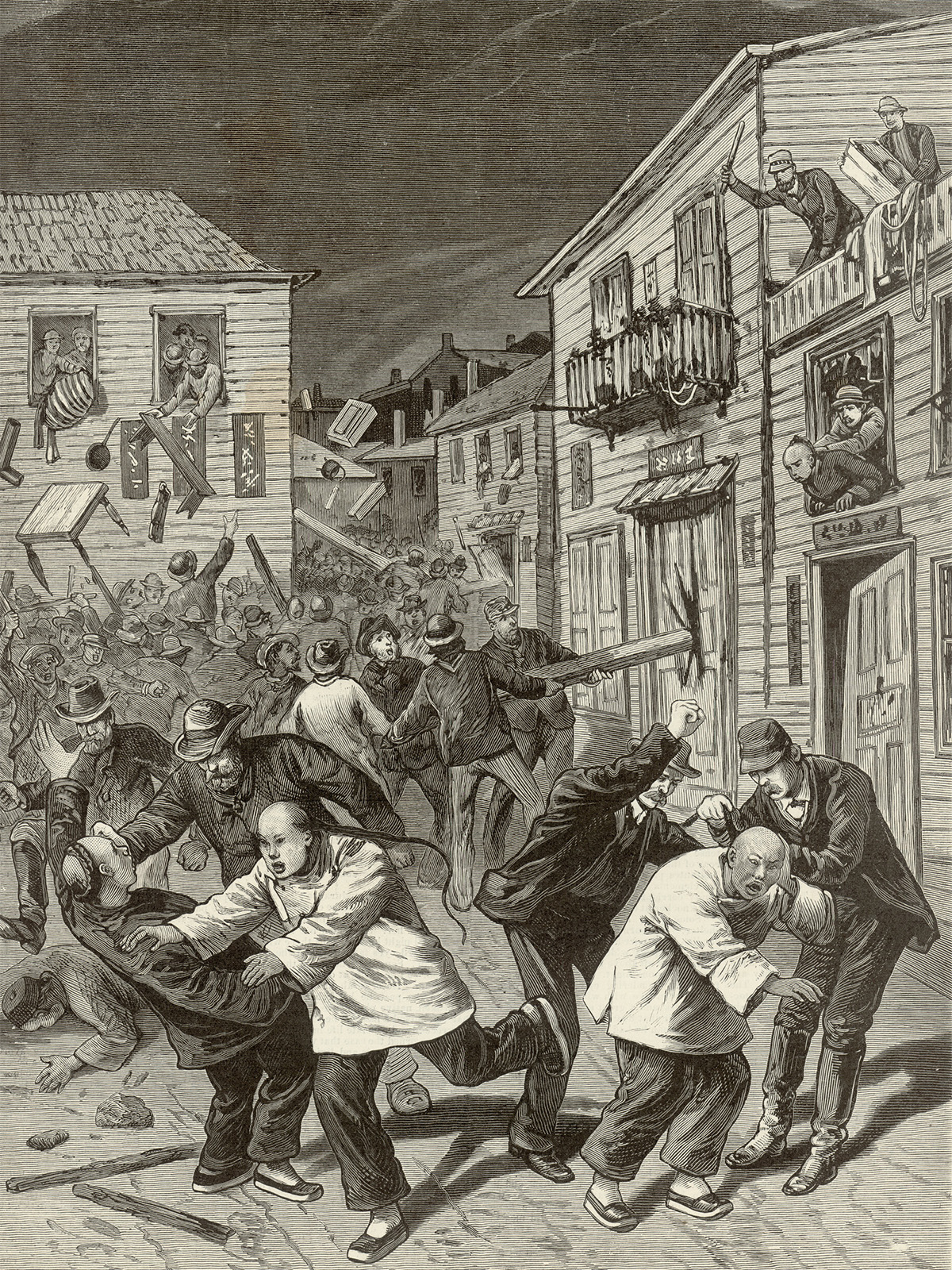
A saloon brawl on October 31 escalated into a riot as a mob targeted the Chinese section of downtown Denver, then known pejoratively as Hop Alley (near present-day Coors Field). By the end, rioters had hanged one Chinese person, assaulted many more, and demolished most of the neighborhood’s properties. Nationally, legislators used the growing animosity toward Chinese immigrants—whom the public blamed for drugs, prostitution, and gambling—to gain political support. In 1882, Congress passed the Chinese Exclusion Act, the first substantive anti-immigrant law in American history.
1903–’04: Cripple Creek Labor Wars

Between 3,500 and 4,000 workers walked out of the gold mines around Cripple Creek in 1903 after owners refused to honor an eight-hour workday agreement made nine years earlier. Over the next two years, violence ripped through the Teller County boomtown. Strikers killed 15 nonunionized miners by rigging a mine elevator to crash and bombed the Vindicator Mine; local Sheriff Ed Bell and his men, who sided with the mine owners, shot up the miners’ union hall on Fourth Street when Western Federation of Miners members refused to vacate it. An explosion at the Independence train depot killed 13 replacement miners. The combatants finally reached a deal in 1907.
1914: Ludlow Massacre
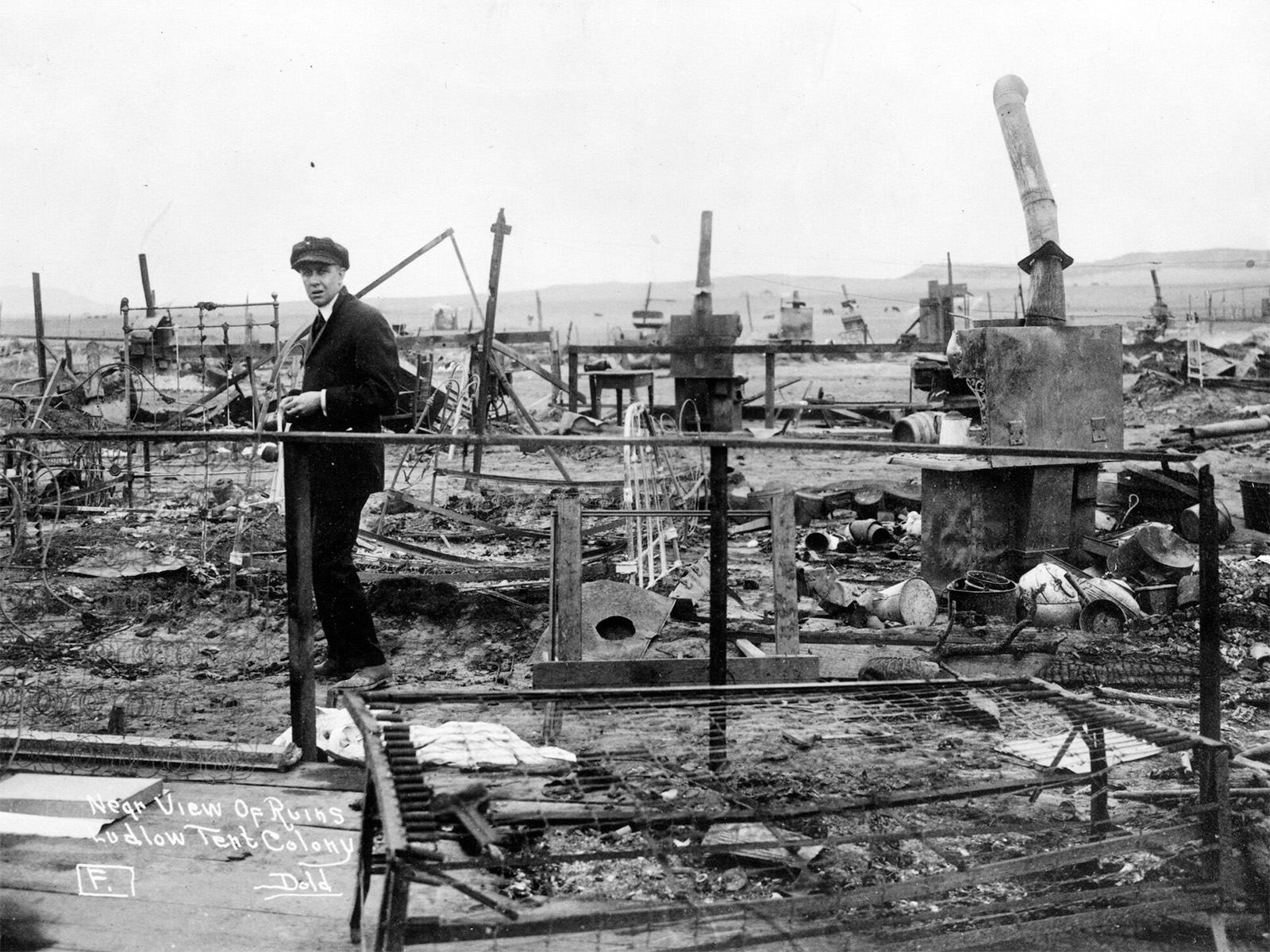
In the 1910s, coal mining had become one of Colorado’s leading industries (accounting for nearly 10 percent of the workforce) and one of its most dangerous (the death rate in Centennial State mines was twice the national average). Hoping to improve safety, the United Mine Workers of America issued a list of demands to the Colorado Fuel and Iron Company—which were promptly rejected. Workers struck and moved into a tent city in Ludlow when Colorado Fuel and Iron evicted them from company housing. On April 20, National Guard members aligned with the mine owner killed 21 people while storming the tents. A resulting congressional investigation helped to spur the first national legislation that mandated eight-hour workdays and child-protection laws.
1920: Denver Tramway Strike
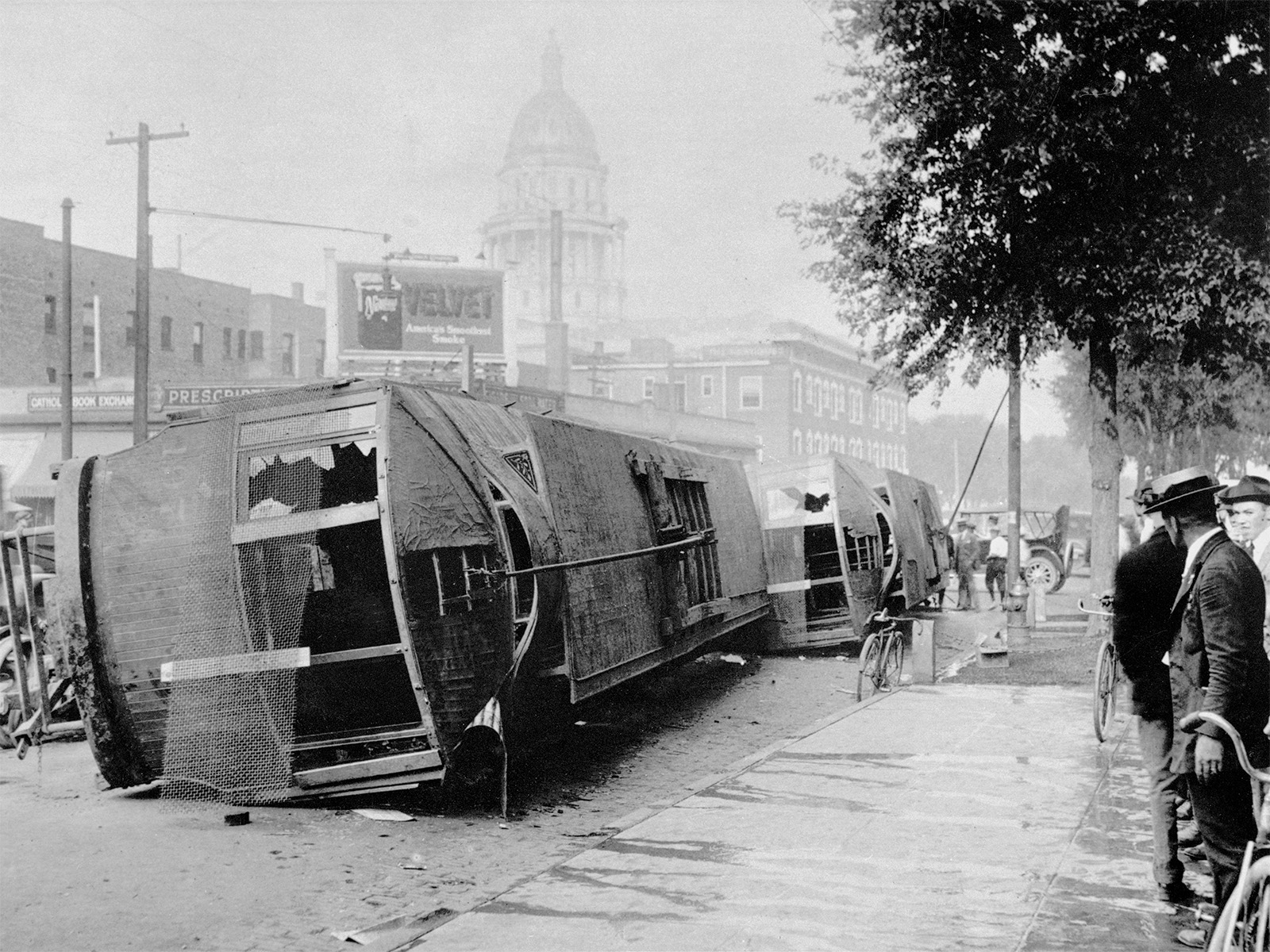
Elected in 1919, Denver Mayor Dewey C. Bailey had promised to roll back fares on the city’s public transportation system from six cents to five. To accommodate the reduction, the Denver Tramway Company cut trainmen’s top wages from 48 cents an hour to 34, leading to a strike on August 1. Over the next week, union supporters repeatedly clashed with strikebreakers, resulting in seven deaths and 50 injuries. A pro-workers mob stormed the office of the Denver Post, which sided with the company, and attempted to set it on fire. Governor Oliver Shoup eventually called in 250 U.S. Army soldiers from Fort Logan to quell the violence. In the end, everyone lost: The company entered receivership and the union disbanded.
1955: United Airlines 629 Bombing
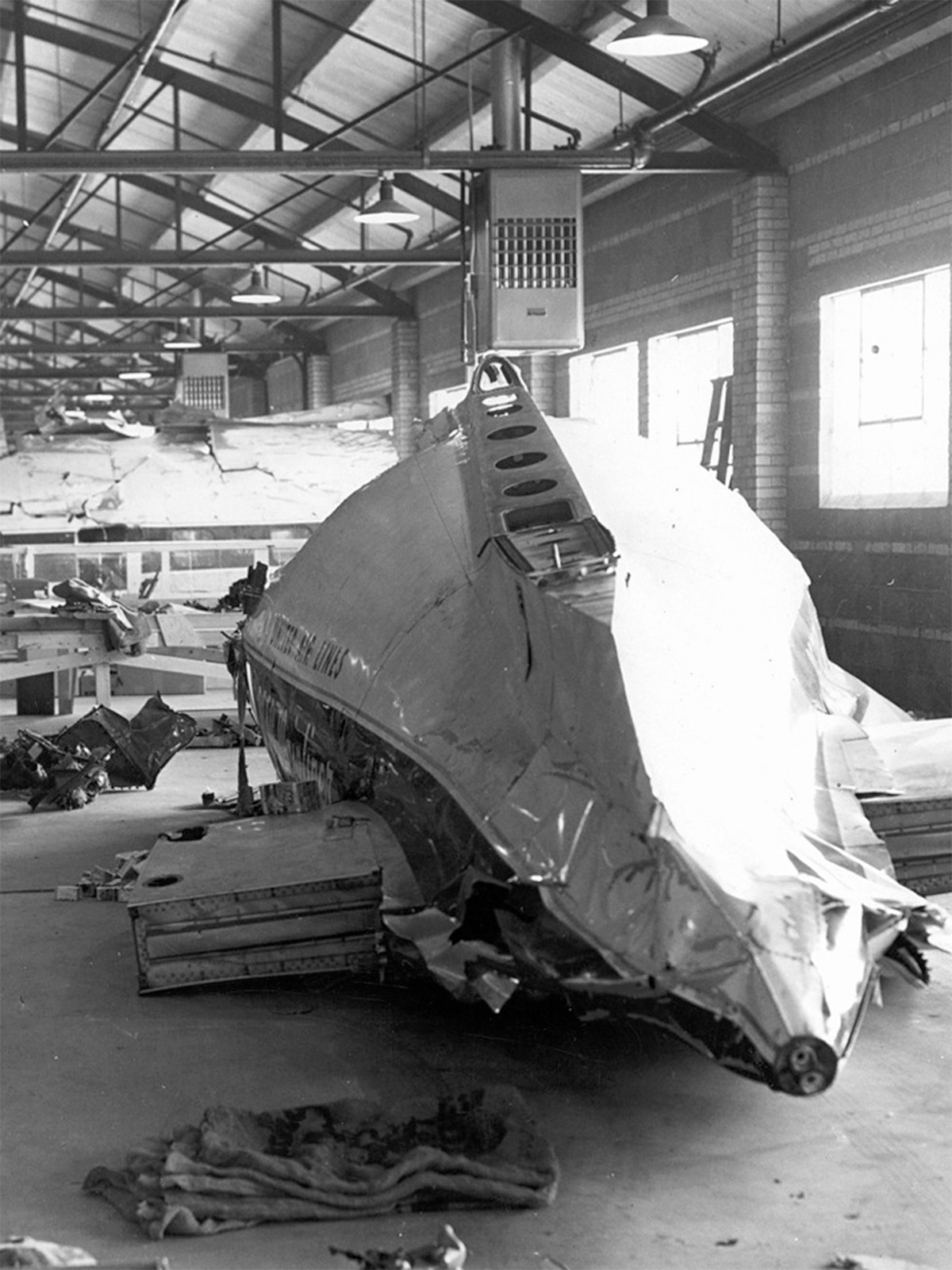
Eleven minutes after taking off from Stapleton Airfield in Denver, a United Airlines commercial flight to Portland, Oregon, crashed on a beet farm in Longmont. All 44 passengers died. An investigation revealed that John Gilbert Graham had placed a dynamite bomb in the luggage carried by his mother, Daisie King. The motive? The 23-year-old Denverite had taken out life insurance policies on King. Despite a confession, authorities faced a problem with charging Graham: Under federal law, the maximum sentence for sabotaging a plane was 10 years in prison and a $100,000 fine. A state court convicted Graham of murdering his mother, and Gordon Allott, a U.S. senator from Colorado, sponsored a law to make fatal airline sabotage a capital offense.
1999: Columbine High School Shooting
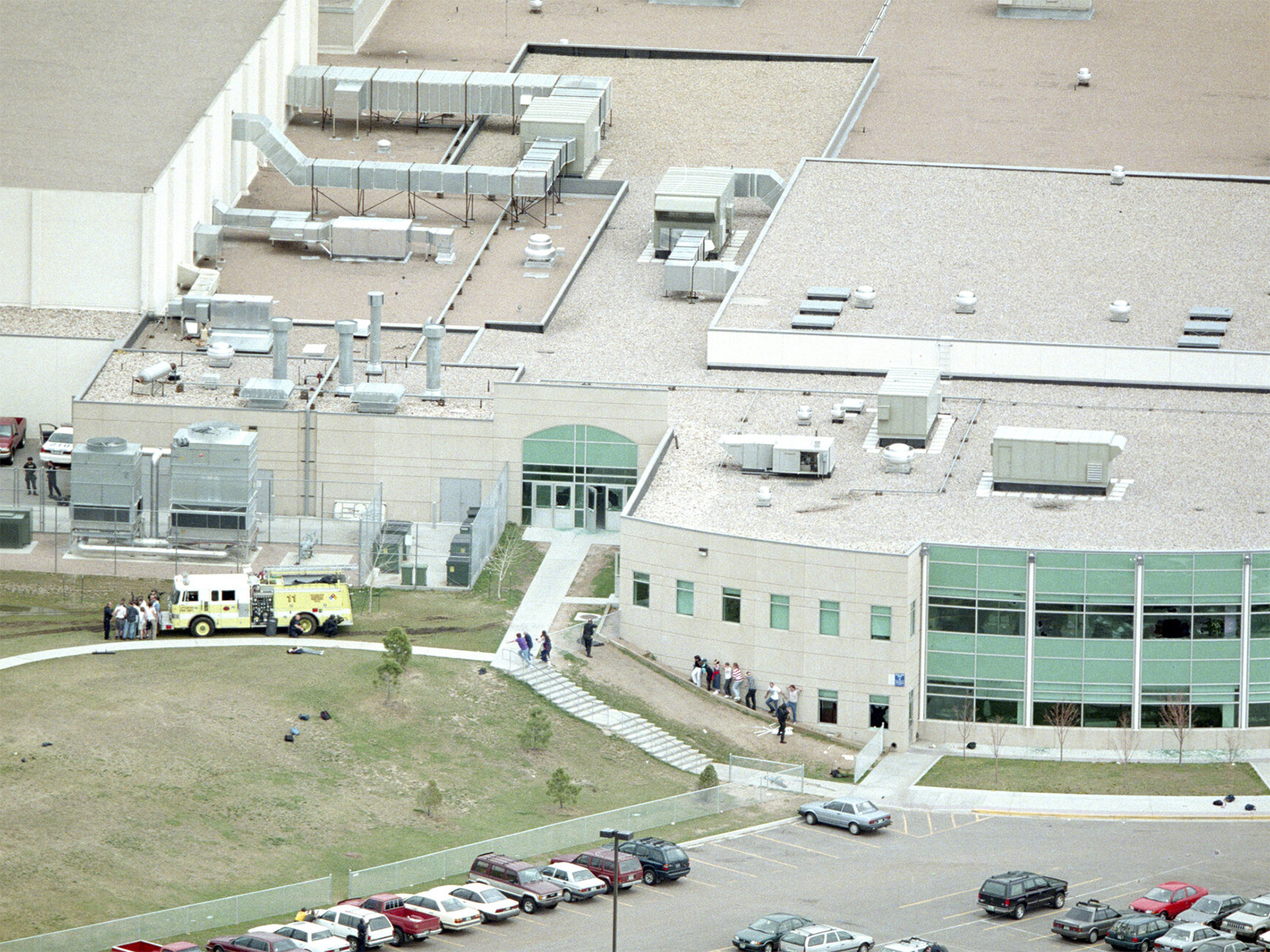
On April 20, two students at a Littleton high school killed 13 people and injured 24 more during a 45-minute span. Although often remembered as America’s first school shooting, Columbine had been preceded the year before by a smaller mass murder at a middle school in Arkansas; it remained the deadliest school shooting until 32 people were killed at Virginia Tech in 2007. Since Columbine, Colorado has suffered six mass shootings, including the 2012 theater shooting in Aurora, the 2021 King Soopers shooting in Boulder, and the 2022 Club Q shooting in Colorado Springs.
This Traveling Museum Challenges Colorado’s Founding Story
There’s an infamous 19th-century photo of two men in bowler hats standing on a pile of bison skulls, though that description doesn’t do the image justice. Because the pile isn’t a pile. It’s a mountain—a mass of thousands upon thousands of bones stacked up for processing at Michigan Carbon Works, where they would soon be turned into charcoal used in the purification of sugar. Try and hold the scene in your head for a moment. Now ask yourself: How does it make you feel?
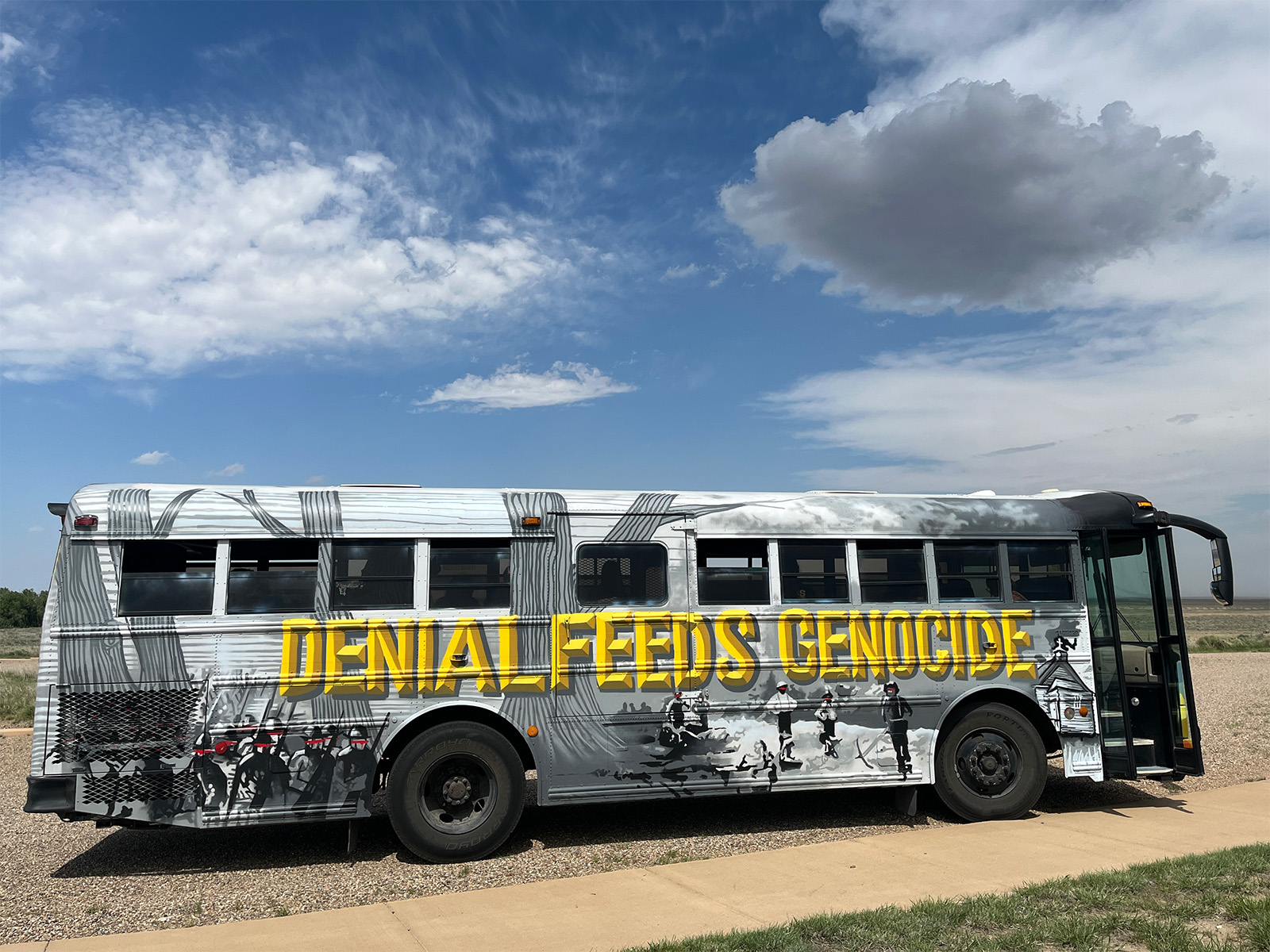
That’s just one of the questions posed by a new mobile exhibition called The Truth About 250-150. Launched as a partnership between Wakáška Yuza (a Denver organization focused on developing young Native leaders) and Control Group Productions (a community engagement group), the project aims to disrupt the characterization of Colorado’s sesquicentennial as something to celebrate by relating the history of Native American erasure and what was happening on tribal lands when Colorado became a state. “It has been almost 100 percent successfully buried,” says Terri Bissonette, a citizen of the Gnoozhekaaning Anishinaabe tribe and the project’s lead facilitator. “It isn’t discussed, it’s not taught, it’s not acknowledged, and that was intentional.”
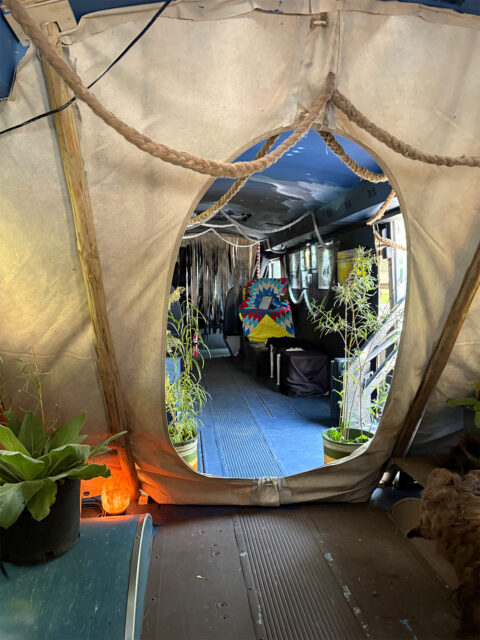
Housed in a former school bus that will make stops throughout Colorado this year (see the schedule), The Truth About 250-150 begins with an educational space devoted to historical events such as Governor Frederick Walker Pitkin’s “Utes Must Go” campaign. Each audio tour is designed for a specific audience: Native, non-Native, and nonwhite non-Natives, who will be asked to contemplate artifacts, such as the photo mentioned above, through the perspectives of their ancestries. But the bus will also offer a space devoted to guided meditation and breathwork. “Truth and healing can exist in the same space,” Bissonette says.
Behind the bus, a 14-foot-long trailer showcases pieces created by Wakáška Yuza members; the young artists sought to convey the contemporary impacts of an entire population of people being rendered invisible. Finally, visitors will be asked to record a reflection on their exhibition experience and can sign a petition requesting funding for a statewide Indian education department. By the time attendees leave, Bissonette hopes they’re ready to reckon with a more complete picture of what statehood meant.
“What happened to tribal nations is Colorado history,” she says, “and every Coloradan should know and understand that history.”
3 More 250-150 Events Going Deep on Colorado History
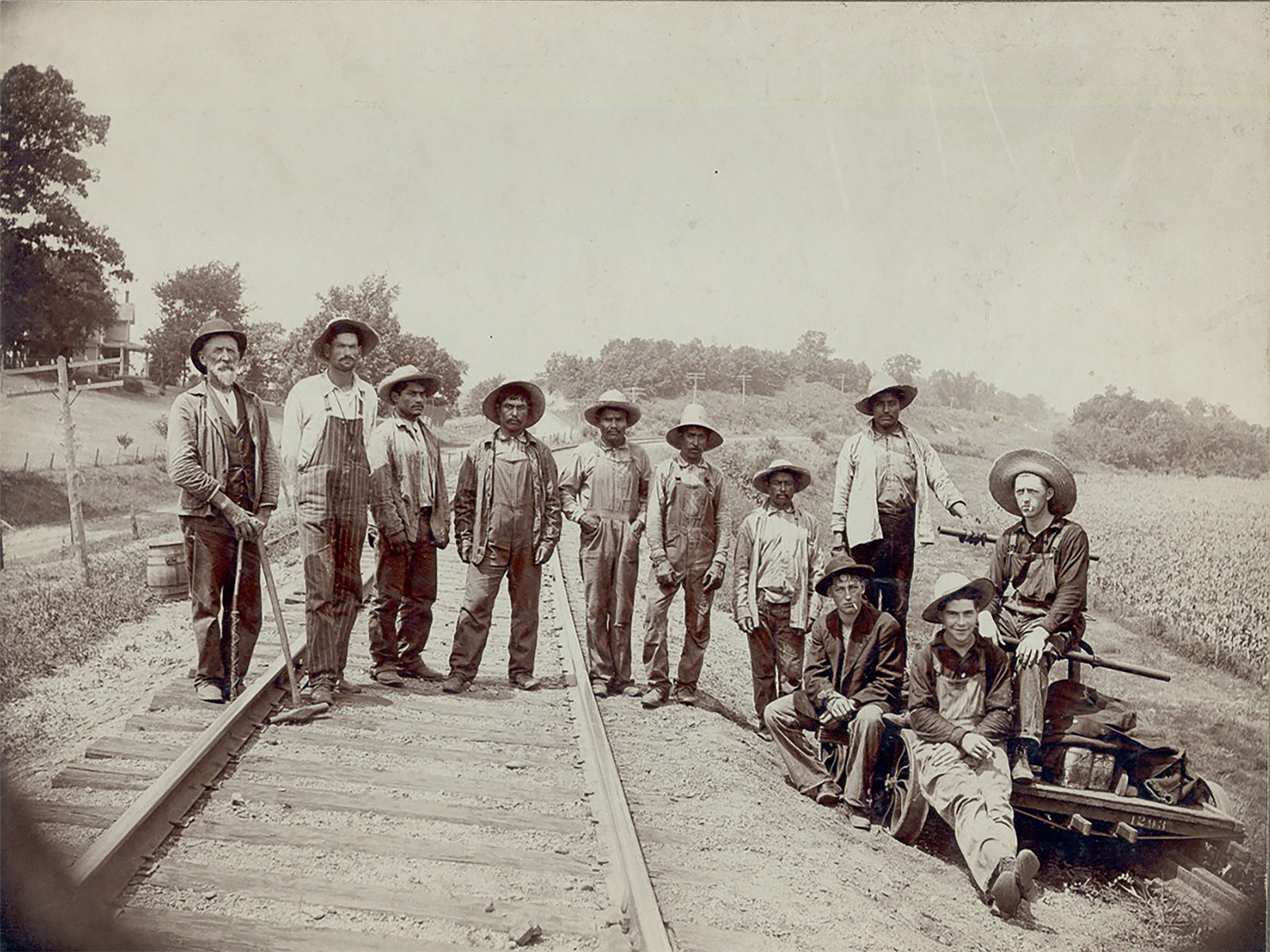
Traqueros: Mexican Trackworkers and the American Railroad
- Dates: Through August 31
- Location: Colorado Railroad Museum, Golden
- Details: A bilingual exhibit on the overlooked workers who laid two-thirds of the track in the American Southwest, Midwest, and Central Plains from 1880 to 1930
Votes and Dreams: At the Ballot and Beyond
- Dates: Through March 31, 2027
- Location: Center for Colorado Women’s History, Denver
- Details: Artifacts from the century-plus push for suffrage include one of two remaining copies of the Declaration of Sentiments, an 1848 document outlining women’s demand for their unalienable rights, which is on loan from the Library of Congress
A Mosaic of Cultures: Aurora’s Filipino Community
- Dates: Through April 2027
- Location: Aurora History Museum
- Details: The fifth installment in an ongoing series highlighting the cultures that make Aurora the state’s most diverse city
Read More About Colorado History: