
The Local newsletter is your free, daily guide to life in Colorado. For locals, by locals.
They don’t call us Colorful Colorado for nothing. From May through early August, the Centennial State is painted in pastel petals as native wildflowers bloom. Nowhere is the show more spectacular than in Crested Butte, which hosts an annual wildflower festival (featuring everything from guided hikes to photography classes) every July.
But if you don’t want to drive four-plus hours to enjoy nature’s pyrotechnics, a slew of beauties blossom right here on the Front Range. To help you find them, we asked Maggie Gaddis, executive director of the Colorado Native Plant Society, where to go looking for lupines, Indian paintbrushes, and more—all within a two-hour drive of Denver.

1. Rocky Mountain Columbine
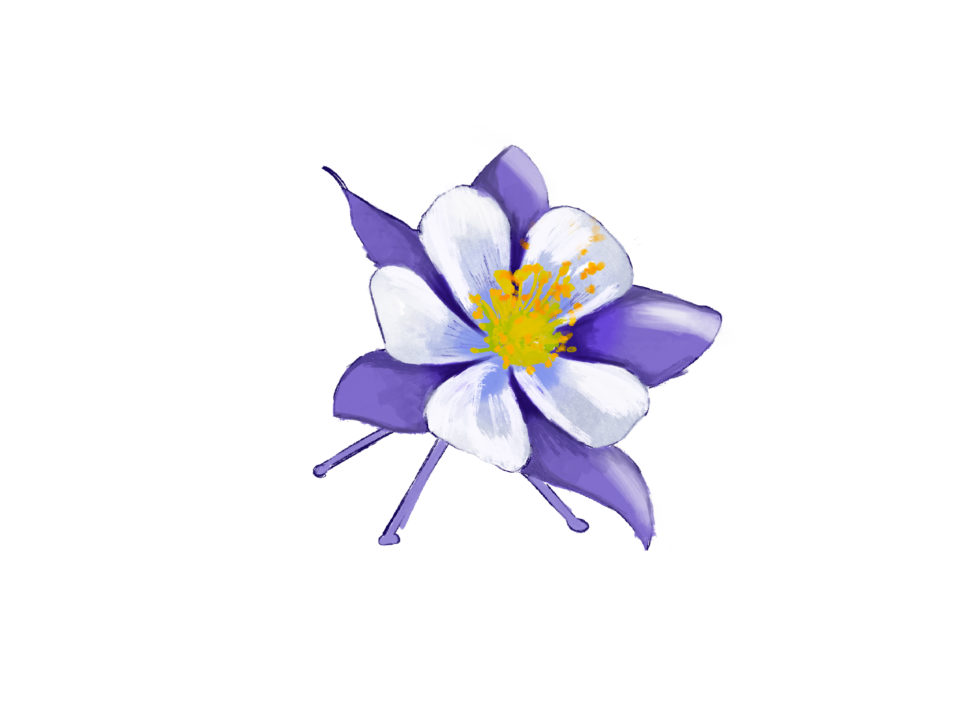
To discover our state flower, cue up our state song: “The cool summer breeze in the evergreen trees softly sings where the columbines grow.” This bloom—revered for its five icy white petals framed by just as many purplish, starlike spurs—thrives in moist meadows on mountainous slopes near evergreen trees. Those three ingredients are in abundance at Lost Lake in Nederland. The moderate Hessie Trail is just over four miles (out and back) and delivers you to the alpine lake. On the way, you’ll hike past fields of columbines and, perhaps, a moose or two (the animals love this area almost as much as the flowers do).
2. Indian Paintbrush
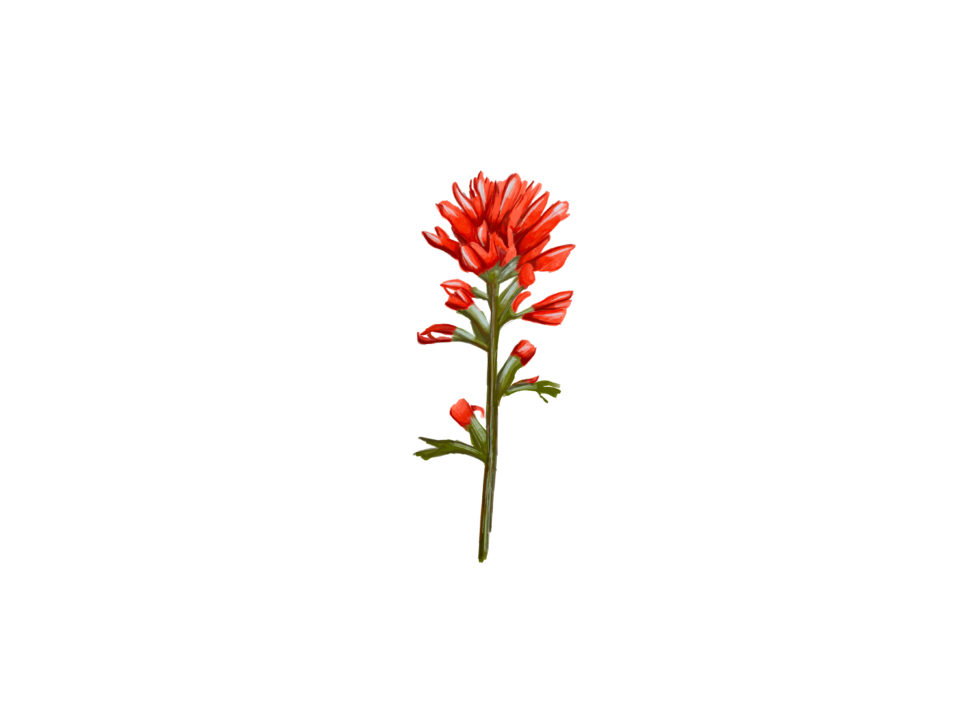
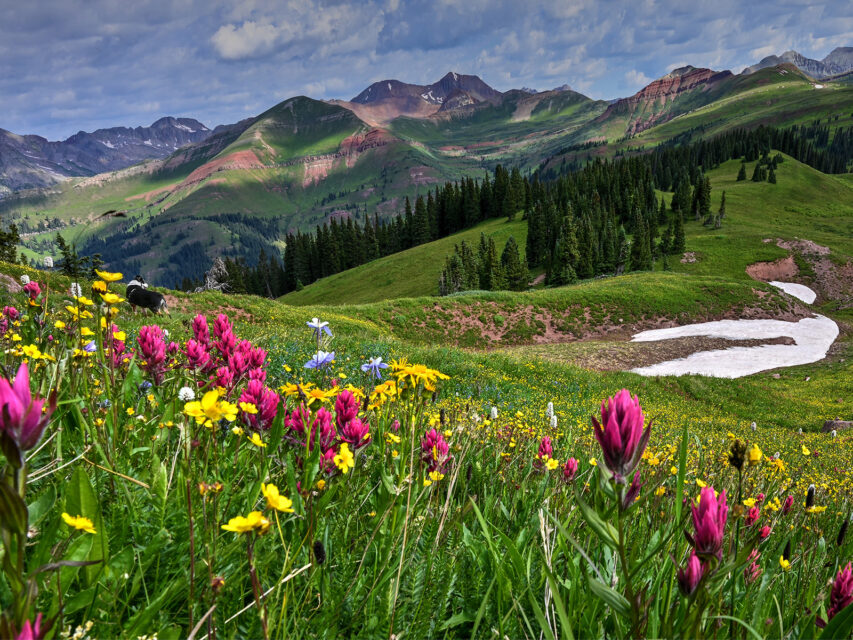
This species is named for its paintbrushlike bracts (small leaves often mistaken for petals) that look like they’ve been dipped in vibrant colors. The common peach variety blooms at lower elevations, but head to the Mt. Evans Wilderness to find the rarer pink and white versions, which grow only at higher elevations. The Chicago Lakes Trail gains more than 2,100 feet over nine miles, but you’ll be rewarded with vast meadows replete with purple Colorado tansyaster, yellow alpine avens, and magenta Indian paintbrushes.
3. Silvery Lupine
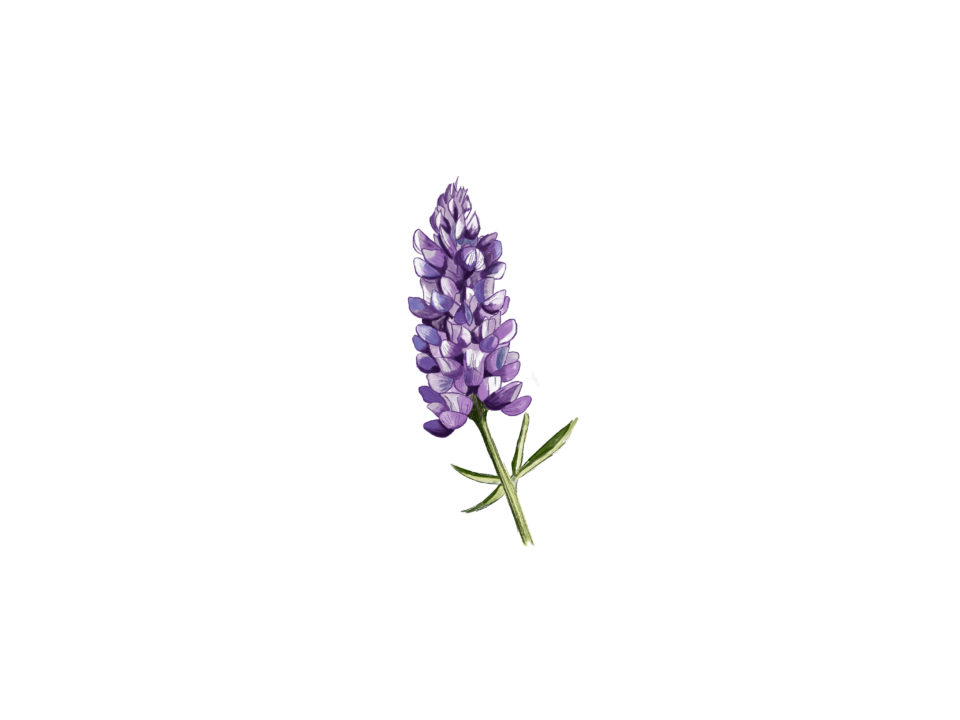
These flashy flowers are all born Leos: They practically beg for attention, with their periwinkle petals shooting straight up to the sky in long clusters. Like most wildflowers, they also crave sunshine, which is why the west-facing slope of the roughly six-mile Acorn Creek Trail in Silverthorne is littered with lupines. But don’t get so obsessed with the flowers that you forget to look up. The trail meanders more than 2,000 feet skyward up the western flank of Ute Peak and offers sweeping views of the Gore Range.
4. Blanket Flower
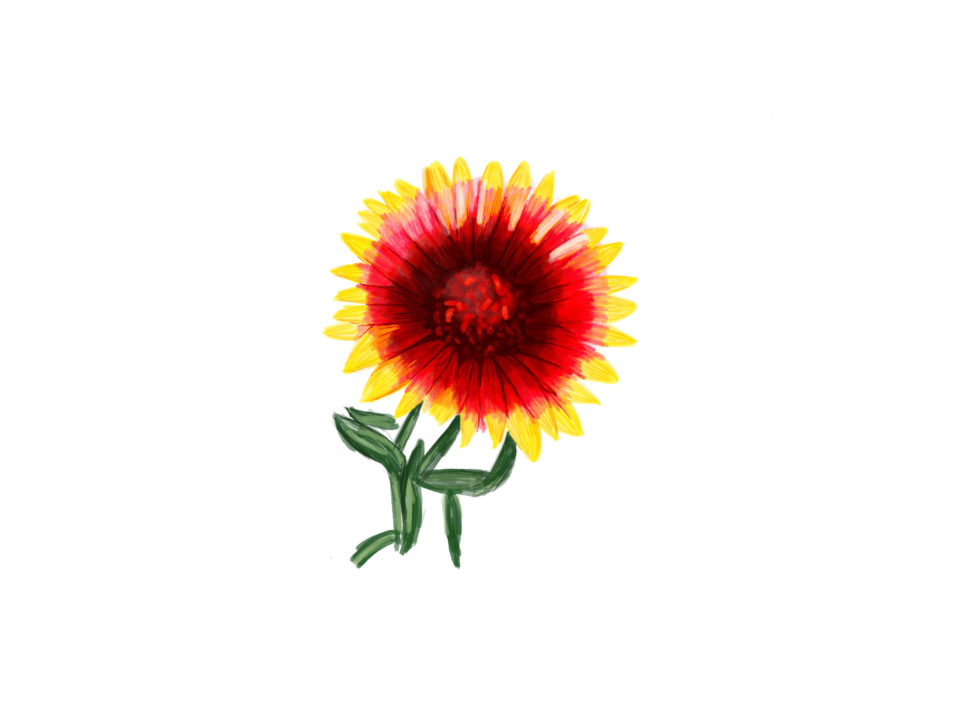
With its red center fading into yellow petals, the common gaillardia proves that ombré isn’t just a passing trend. And there’s no need to head for the hills to enjoy these daisy lookalikes. Blanket flowers prefer lower-elevation habitats like prairies and ponderosa pine forests. That includes the landscape surrounding Wrigley’s Trail in Golden, a one-mile, bike-friendly path that stretches from Wrigley’s Chicago Bar and Grill to the Hogback Park-n-Ride lot off I-70 at U.S. 40. You’ll also peep penstemons: hardy perennials with more than 60 species native to Colorado.
5. Parry’s Primrose
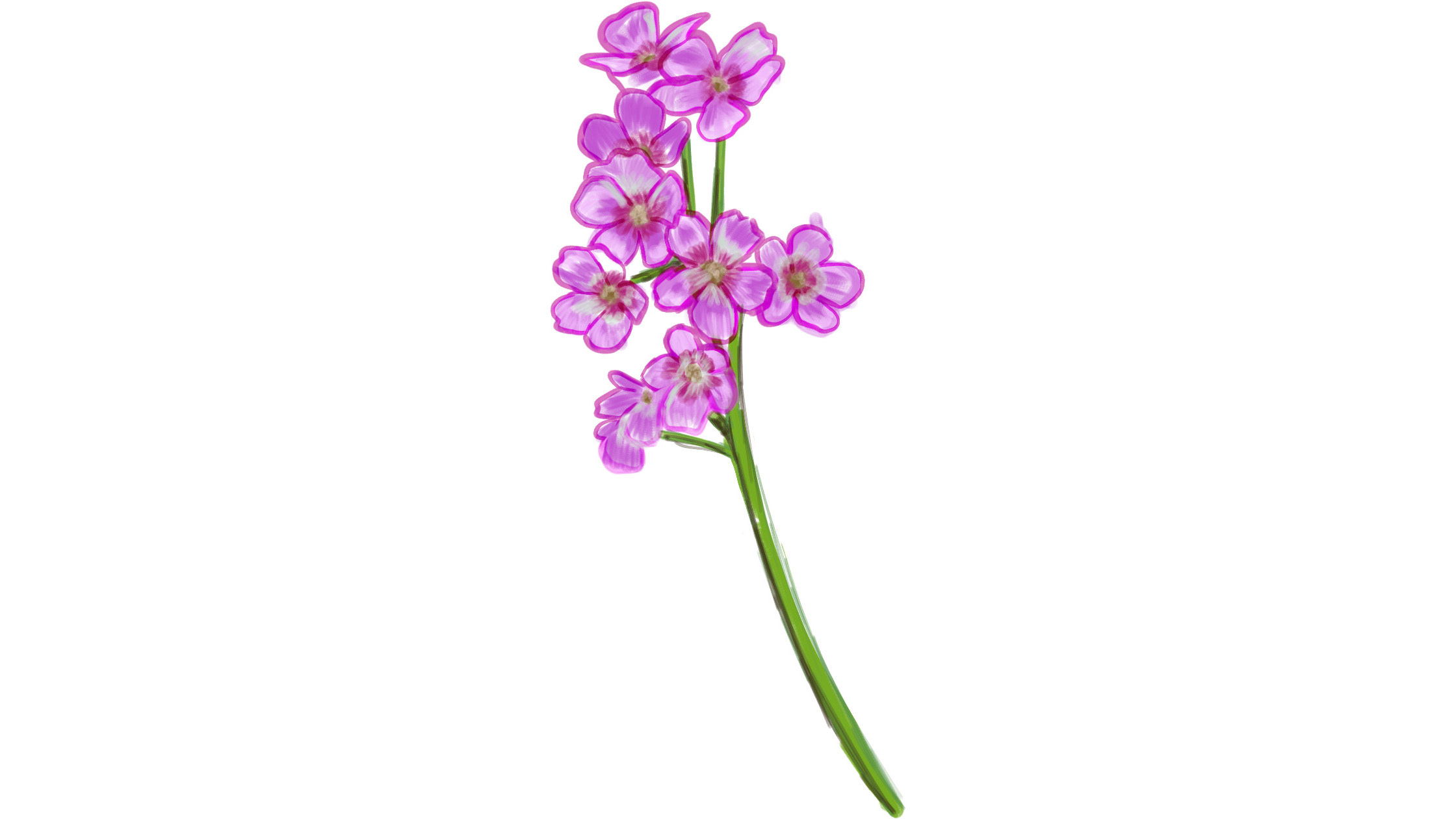
Although you’ll be tempted to stop and smell these vivid magenta flowers that grow in clusters atop thin stems with lance-shaped leaves, you might want to think twice. Their skunky odor belies their striking beauty. Admire these pungent pretties from a pleasant distance on the Herman Gulch Trail near Loveland Ski Area. Although the nearly seven-mile route climbs roughly 1,800 feet to an alpine lake, you’re rewarded with Parry’s primrose long before you hit the treeline. Look for these wildflowers in the forested section along the banks of Herman Creek.
6. Mountain Bluebells
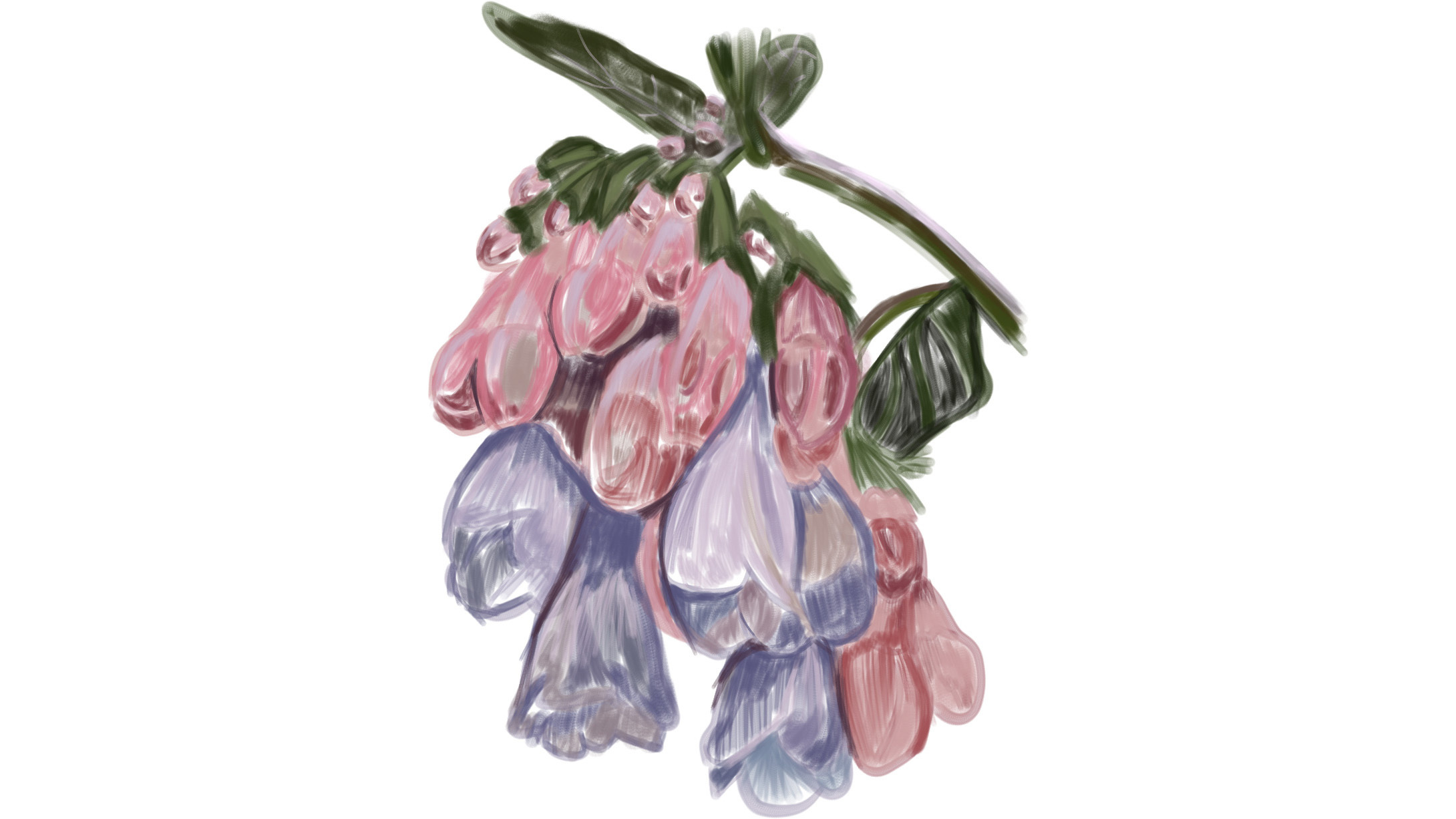
What do wine and mountain bluebells have in common? Both get better with age. These delicate, bell-shaped blooms begin as pinkish buds and change to blue when the flowers open, signaling to bees that they’re ready for pollination. Also known as tall chiming bells, this species is found in droves on the southern side of the Silver Dollar Lake and Murray Lake Trail off Guanella Pass. Not only will you bag two alpine tarns and eyefuls of bluebells, but you’ll also spot moss campion, white marsh marigolds, and Rocky Mountain columbines.
7. Dotted Gayfeather
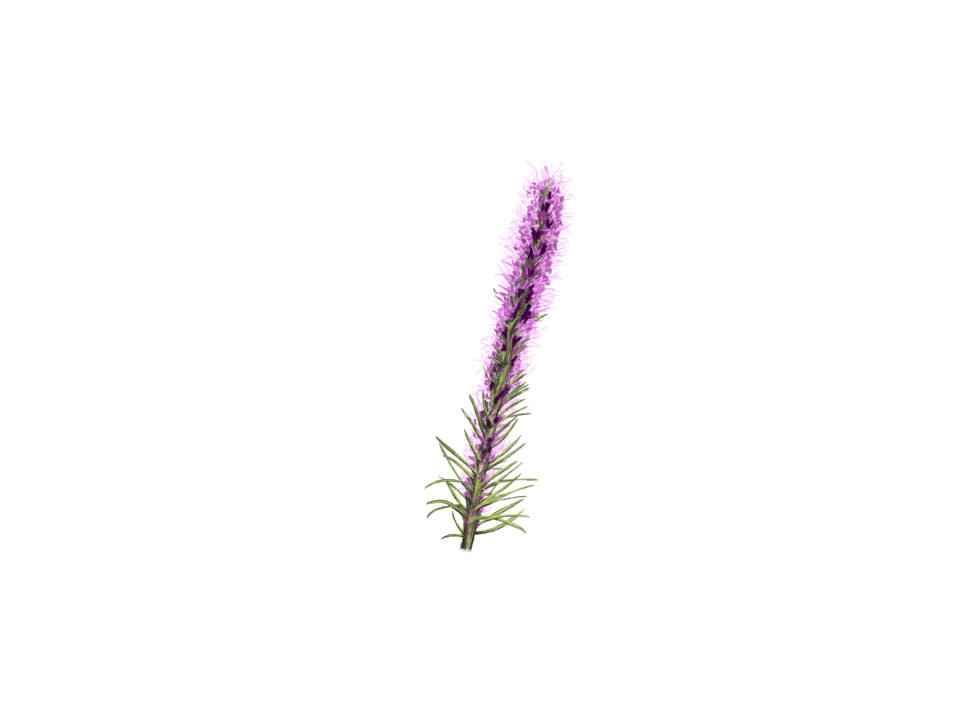
If you miss the lupines and the columbines this year, fear not: You still have a chance to catch dotted gayfeathers at their prime. The late-blooming buds don’t show off their fuzzy-looking lavender flowers until August, when their Seussian plumage is on full display at Garden of the Gods in Colorado Springs. See the purple wildflowers pop against the orange sandstone on the popular Ute Trail, an easy one-mile loop through the center of the park.